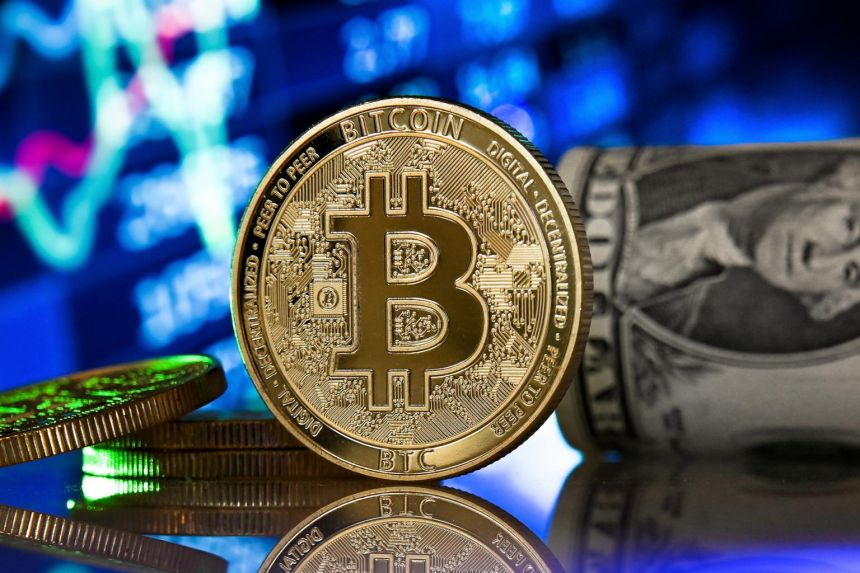
Bitcoin was launched in 2009 by the pseudonymous Satoshi Nakamoto as "peer-to-peer electronic cash". It lets two people send value to each other online without a bank in the middle.
How it works
- The blockchain: every transaction is recorded on a public ledger copied across thousands of computers.
- Mining: computers compete to add new blocks and earn newly created bitcoin. Rewards halve roughly every four years. The latest halving was in April 2024.
- Fixed supply: there will never be more than 21 million bitcoin. Many people see it as "digital gold" for that reason.
- Your keys, your coins: whoever controls the private key controls the bitcoin. Lose it and the coins are gone.
Why Africans use it
- Protecting savings when local currencies lose value quickly
- Sending and receiving money across borders, often via stablecoins pegged to the dollar
- Getting paid online where traditional payment options are limited
- Speculation: trying to profit from price swings
The risks
- Volatility: bitcoin has fallen more than 70% from its peak several times.
- Scams: fake investment schemes use bitcoin's name. Guaranteed returns are always a red flag.
- Loss and theft: exchange hacks and lost passwords cannot be undone.
Regulation in Africa
Attitudes have shifted from bans to licensing. Nigeria's Investments and Securities Act 2025 treats digital assets as securities under the SEC. Kenya's Virtual Asset Service Providers Act took effect in November 2025. South Africa licenses crypto providers through the FSCA.
See our step-by-step guides: buying bitcoin in Nigeria and buying bitcoin in Kenya.
Sources: Bitcoin whitepaper (2008); Nigeria ISA 2025; Kenya VASP Act 2025; FSCA South Africa.