Nigerian homes have changed a lot in a decade. Rising fuel prices and unreliable grid power, working from home, and a strong rental market are all shaping what people build. Here are the trends that matter, and what they mean for your budget.
1. Design for energy first
- Solar-ready roofs: a clear, south-facing roof area, conduit runs and a ventilated battery and inverter room.
- Passive cooling: cross-ventilation, high ceilings, deep overhangs and shaded windows reduce reliance on air-conditioning.
- Roof insulation and lighter-coloured roofs keep heat out.
2. Layouts people want
- Open-plan living and dining with a closed "dirty kitchen" for heavy cooking
- A dedicated home office or flexible study
- A boys' quarters (BQ) or self-contained annex that can be let
- Ensuite bedrooms and a ground-floor guest room for elderly relatives
3. Exteriors and materials
- Contemporary façades with parapet or hidden roofs, cladding and louvres
- Porcelain tiles and hard-wearing finishes suited to heat, humidity and dust
- Locally made products where quality allows, which cuts exposure to exchange-rate swings
4. Security built in
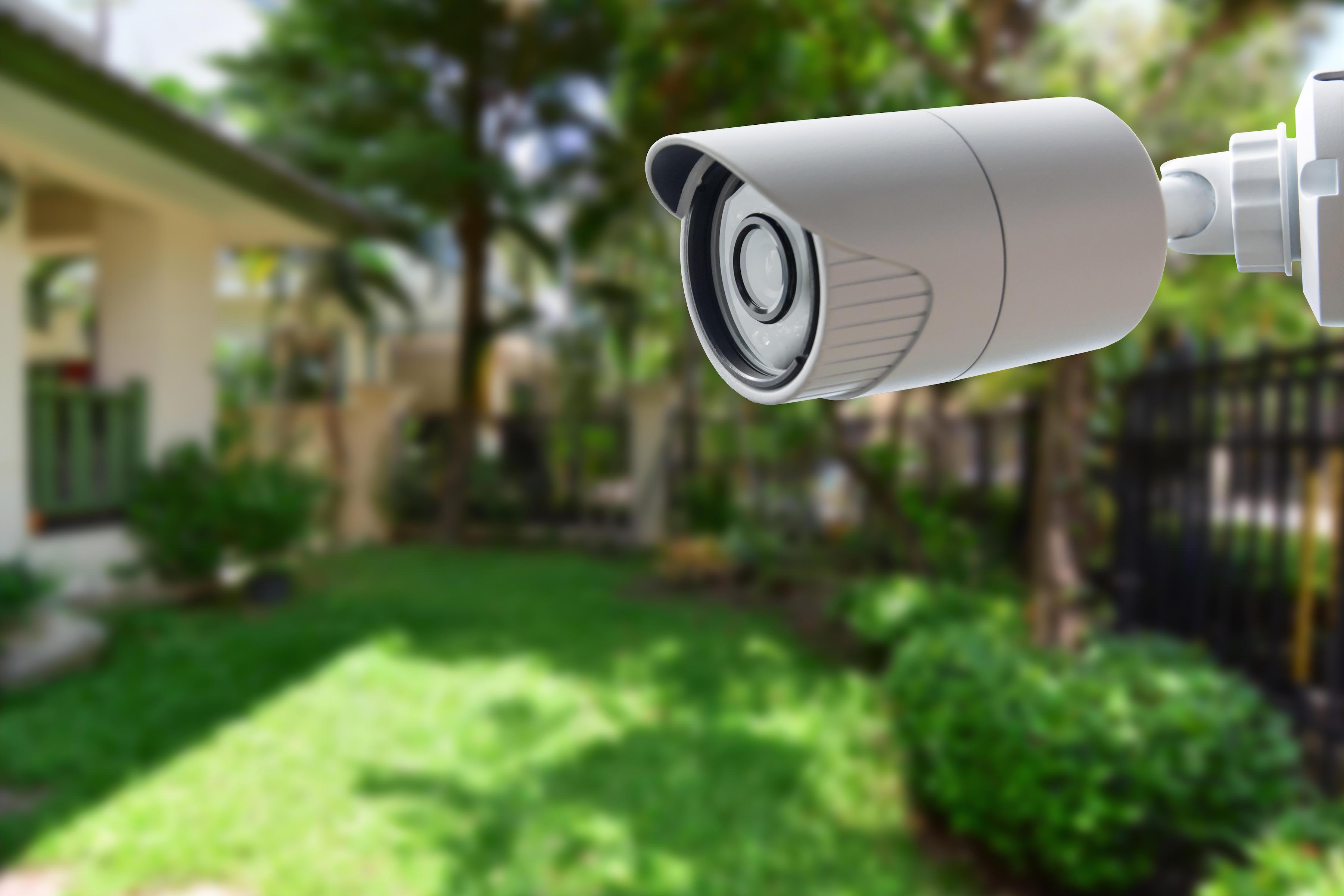
Plan for CCTV cabling, gate automation and secure parking at design stage. It is cheaper than retrofitting.
5. Watch the cost of design choices
Every extra corner, cantilever and floor adds cost. Lagos developers put construction at roughly ₦350,000–₦400,000 per m² in 2026 for typical projects, while simpler builds elsewhere cost less. Use the estimator above, then get a quantity surveyor's estimate before finalising drawings.
Sources: Nairametrics (Lagos developers on construction costs, Aug 2026); Legit.ng and WithinNigeria 2026 cost estimates.