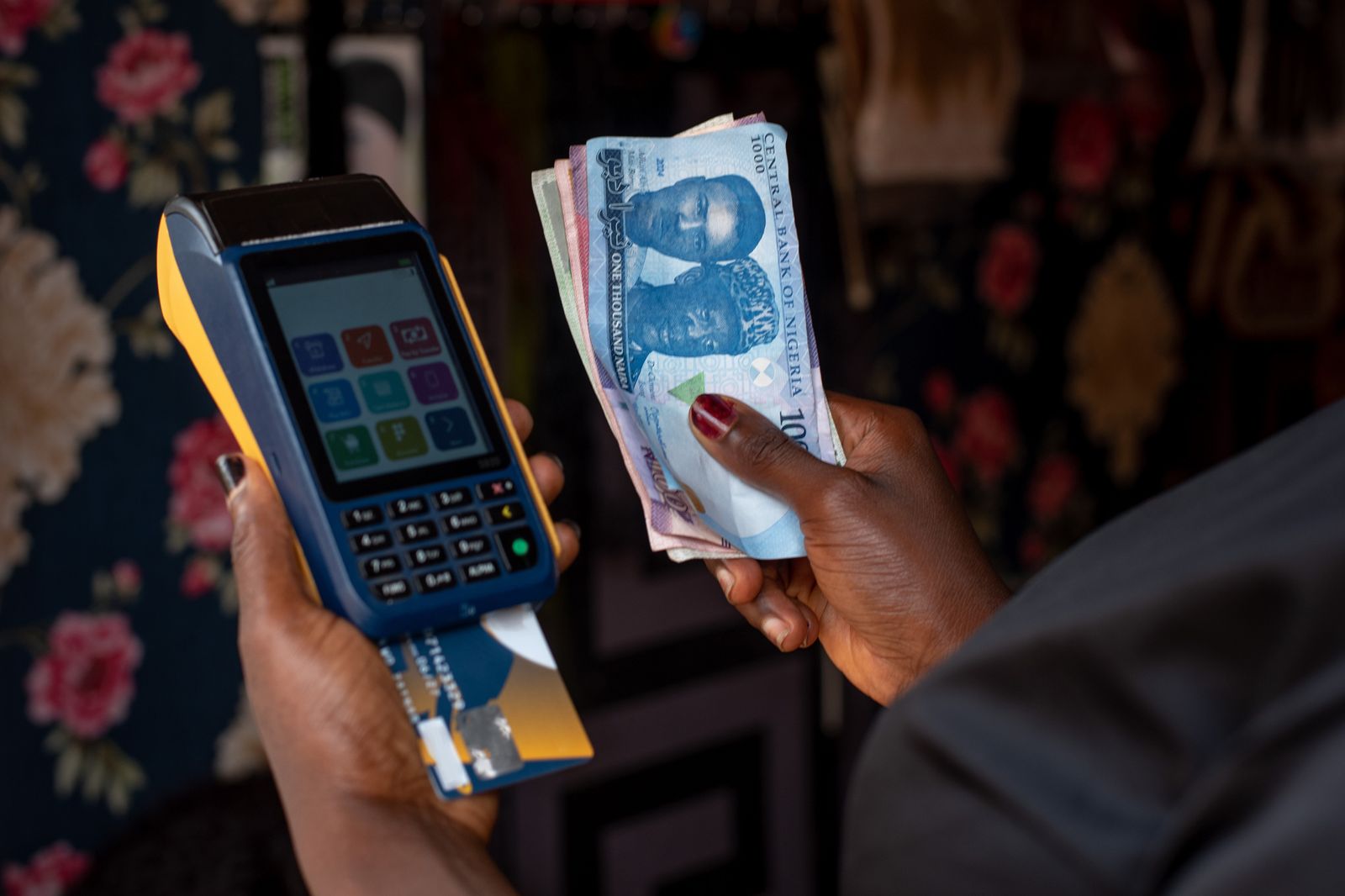
Nigeria's inflation rate was 14.06% in October 2026, according to the National Bureau of Statistics (NBS). That is down from 14.63% in September 2026 and well below the 18.97% recorded in October 2025. It was the fifth straight monthly decline in the headline rate. However, prices rose faster within the month: month-on-month inflation was 0.43% in October, up from 0.06% in September.
For the latest figures we track, see the Nigeria economy dashboard.
Nigeria's inflation at a glance (October 2026)
| Measure | October 2026 | September 2026 | October 2025 |
|---|---|---|---|
| Headline inflation (year on year) | 14.06% | 14.63% | 18.97% |
| Headline (month on month) | 0.43% | 0.06% | n/a |
| Food inflation (year on year) | 19.13% | 19.59% | 16.30% |
| Food (month on month) | -0.75% | -1.55% | n/a |
| Core inflation (year on year) | 10.78% | n/a | n/a |
| Urban inflation (year on year) | 14.84% | n/a | n/a |
| Rural inflation (year on year) | 12.17% | n/a | n/a |
Source: NBS CPI report for October 2026, released 16 November 2026, as reported by Nairametrics, Economic Confidential and ThisDay.
What is driving inflation now
- Food prices are easing. Average food prices fell month on month for a second straight month, though by less than in September.
- Some items still rose. The NBS named items such as vegetable oil, sardines, green peas and frozen fish among those whose prices rose.
- Energy and transport. Petrol and diesel prices moved up and down through 2026 as the Dangote Refinery changed its rates; see our guides to petrol and diesel prices.
- A steadier naira has reduced the pass-through from imported goods compared with 2024.
Why the numbers changed so much since 2024
The NBS rebased the CPI to a 2024 base year with updated weights, so current readings are not directly comparable with the very high figures of 2024, when headline inflation passed 30%. Under the new series, inflation has trended down through 2025 and 2026.
What lower inflation does and does not mean
Falling inflation means prices are rising more slowly. It does not mean prices are going down. Most goods still cost more than a year ago, which is why many households, and some economists, say the official figures do not match their experience at the market.
What it means for your money
- Savings: if your savings earn less than about 14% a year, their real value is shrinking. Compare options such as money market funds and Treasury bills.
- Loans: interest rates usually follow inflation and the CBN's policy rate, so borrowing may get cheaper if inflation keeps falling.
- Salaries: ask for increases that at least keep pace with inflation.
- Diaspora remittances: a stable naira and slower inflation make money sent home go further.
When the next figure is due
The NBS usually publishes each month's CPI around the 15th of the following month, so the November 2026 reading is due in mid-December 2026.