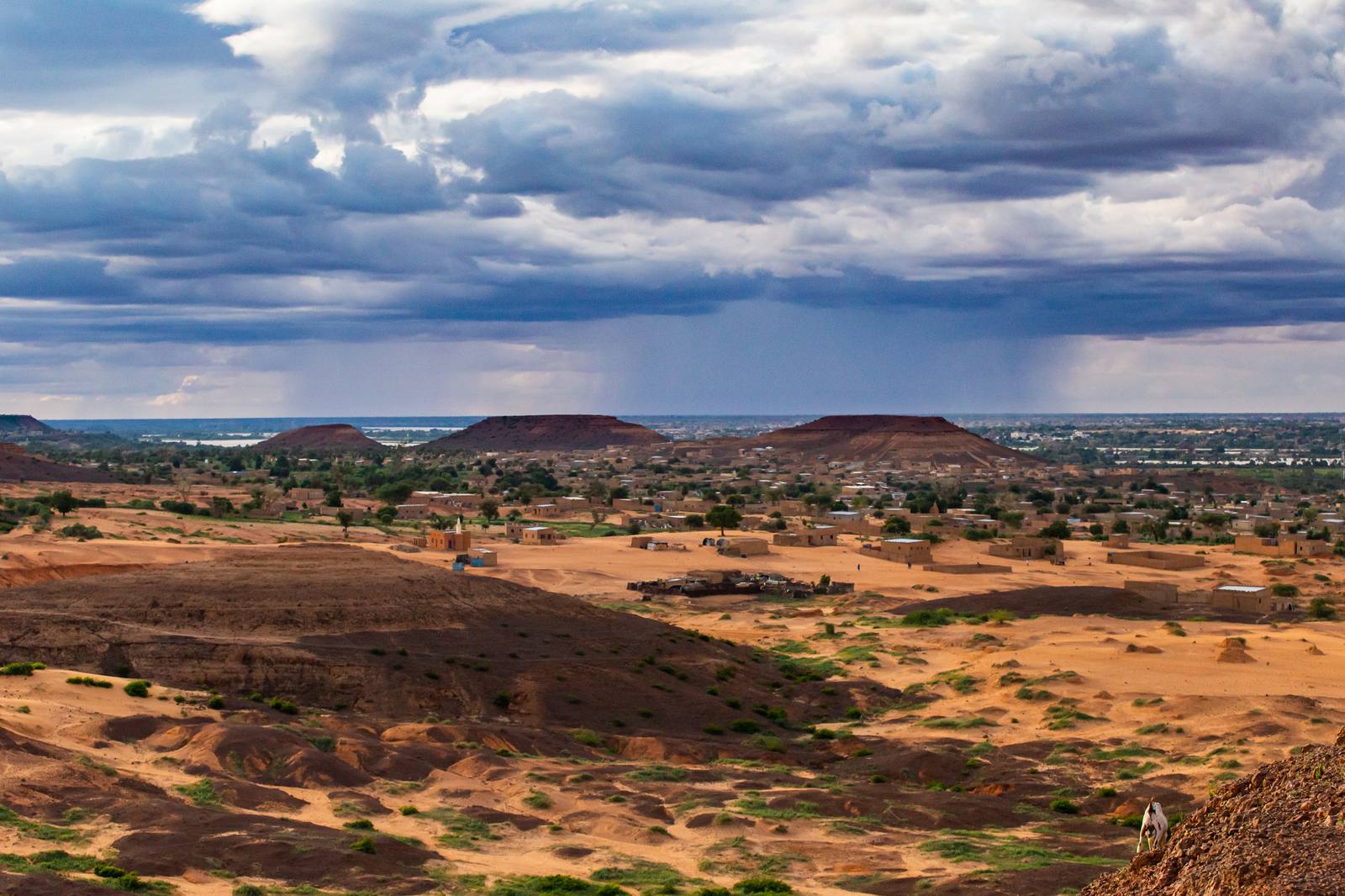
The poorest state in Nigeria is Sokoto, according to the National Bureau of Statistics' Multidimensional Poverty Index (MPI), which found about 91% of Sokoto residents multidimensionally poor. Bayelsa and Gombe follow. A separate 2026 global index by the UNDP and the Oxford Poverty and Human Development Initiative (OPHI) also puts Sokoto among the three poorest states, alongside Kebbi and Yobe.
The 10 poorest states in Nigeria (NBS MPI)
| Rank | State | Region |
|---|---|---|
| 1 | Sokoto | North-West |
| 2 | Bayelsa | South-South |
| 3 | Gombe | North-East |
| 4 | Jigawa | North-West |
| 5 | Plateau | North-Central |
| 6 | Yobe | North-East |
| 7 | Kebbi | North-West |
| 8 | Taraba | North-East |
| 9 | Ebonyi | South-East |
| 10 | Zamfara | North-West |
The NBS data reported in 2026 put Jigawa at about 84.3% and Plateau at about 84.0%. At the other end, Ondo had the lowest rate, around 27%.
What the MPI measures
The Multidimensional Poverty Index looks beyond income. It counts people as poor if they face several deprivations at once in areas such as:
- Health: nutrition, food insecurity and time to reach healthcare
- Education: school attendance, years of schooling and children falling behind
- Living standards: clean water, sanitation, housing, cooking fuel and assets
- Work and security: unemployment, underemployment and exposure to shocks
The NBS 2022 MPI found about 133 million Nigerians, roughly 63% of the population, were multidimensionally poor, and that about 65% of them lived in northern states.
Why rankings differ
- Different methods. The national MPI and the global UNDP/OPHI MPI use different indicators and weights, which is why Kebbi and Yobe top the 2026 global index while Sokoto tops the NBS one.
- Different years. Surveys are carried out at different times, and conditions change.
- State surveys. Sokoto State launched its own 2025 MPI with UNDP support and said poverty intensity had fallen, and the state government has disputed the earlier NBS ranking.
- Income vs deprivation. Some states with relatively high oil income, such as Bayelsa, still rank poorly because many residents lack services.
Why poverty is concentrated in some states
Analysts point to low school enrolment, weak healthcare, insecurity and banditry, reliance on rain-fed farming, climate stress, and limited infrastructure in many northern states. In parts of the Niger Delta, pollution and poor services affect livelihoods despite oil wealth.
What is being done
Federal cash transfers, school feeding and social investment programmes target poor households, and several states have launched their own poverty surveys and plans. Development partners such as the UNDP, UNICEF and the World Bank also fund programmes in health, education and livelihoods.
For more data on Nigeria's states, see our guides to the largest and smallest states, and the Nigeria economy dashboard.