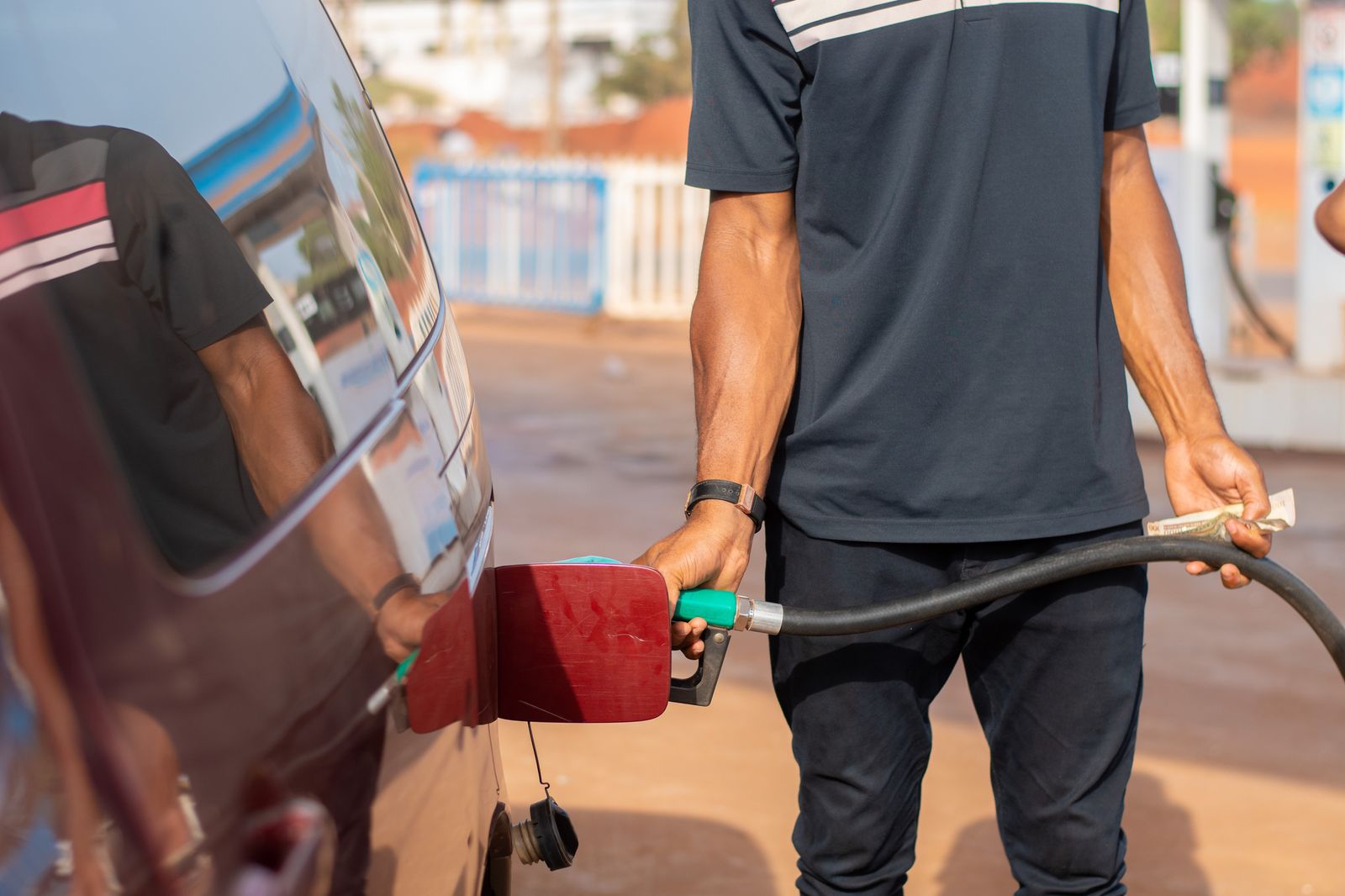
The petrol price in Nigeria in late November 2026 is roughly N1,300 to N1,420 per litre at most filling stations, after a run of cuts that started at the Dangote Refinery. Dangote reduced its gantry (ex-refinery) price to about N1,070 per litre around 19–20 November, and depot and pump prices followed it down, though pump prices fell more slowly.
Latest petrol prices at a glance
The table below collects the most recent figures reported in the week to 22 November 2026. Different outlets surveyed different stations on different days, so small gaps between them are normal.
| Price point | Latest reported price (per litre) | Date reported |
|---|---|---|
| Dangote gantry (ex-refinery) | about N1,070 (down from about N1,130) | 19–20 Nov 2026 |
| Lagos depot average (seven depots) | N1,077 (down from N1,171) | week to 20 Nov |
| Warri depot average | about N1,135 | week to 20 Nov |
| Port Harcourt depots | about N1,140 | week to 20 Nov |
| NNPC station, Abuja | about N1,300 (from N1,325) | 19 Nov |
| MRS station, Abuja | about N1,365 (from N1,399) | 19 Nov |
| Empire Energy and Ranoil, Abuja | about N1,385 (from N1,420) | 19 Nov |
| NNPC station, Lagos | about N1,355 | after 4 Nov cut |
Sources disagree slightly on the timing of the latest Dangote cut. One report dates it to 19 November and others to 20 November, and one survey had Dangote at N1,159 on 16 November while others put the pre-cut price at N1,130. Either way, the direction is clear: depot prices fell by roughly 5–8% in one week.
How petrol prices moved in 2026
Petrol has swung widely this year. Dangote raised its gantry price to N1,350 per litre in mid-September, cut to about N1,300 in early November, and then made several further cuts through November. The November cuts came as landing costs for imported petrol eased; the Major Energies Marketers Association put the landing cost at about N1,073 per litre in early November.
Pump prices usually trail these moves by days or weeks. Stations sell down stock bought at the older, higher price before cutting, which is why you can see N1,300 at one station and N1,420 a short drive away.
Why the price changes so often
- Deregulation. Since fuel subsidy removal in May 2023 there is no single government price. Each refiner, importer and retailer sets its own.
- Crude oil prices. Refiners buy crude at international prices, so a rise in Brent pushes petrol up.
- The naira exchange rate. Crude and imports are priced in dollars. A weaker naira raises the local price. You can follow the rate on our naira FX rates page.
- Competition between Dangote and importers. Dangote's large output has pushed importers and NNPC to match its cuts.
- Transport and location. States far from Lagos, Warri and Port Harcourt depots pay more for haulage.
Diesel price in Nigeria
Diesel (AGO) is also on a downward path. Dangote cut its diesel gantry price to about N1,720 per litre in early November, and some Lagos depots sold diesel at N1,640–N1,670 in the week to 20 November. Retail diesel prices are generally higher than petrol and vary even more between stations.
Tips for motorists and businesses
- Compare stations on your route. Gaps of N50–N100 per litre between brands are common.
- Major brands often cut first after a Dangote move, so watch NNPC, MRS and other large chains.
- For generators and fleets, budget with a range rather than a single price, and review it weekly.
- If you live abroad and send money home for fuel or transport, remember that a stronger naira also tends to ease pump prices over time.
What diaspora readers should know
Nigeria no longer has a fixed national petrol price, unlike the days of the N145 or N165 price caps. Quotes you hear from family will differ by city and by week. A useful rule of thumb in late 2026 is about N1,300–N1,400 per litre at a major station, which is roughly in line with depot prices plus transport and retail margins.