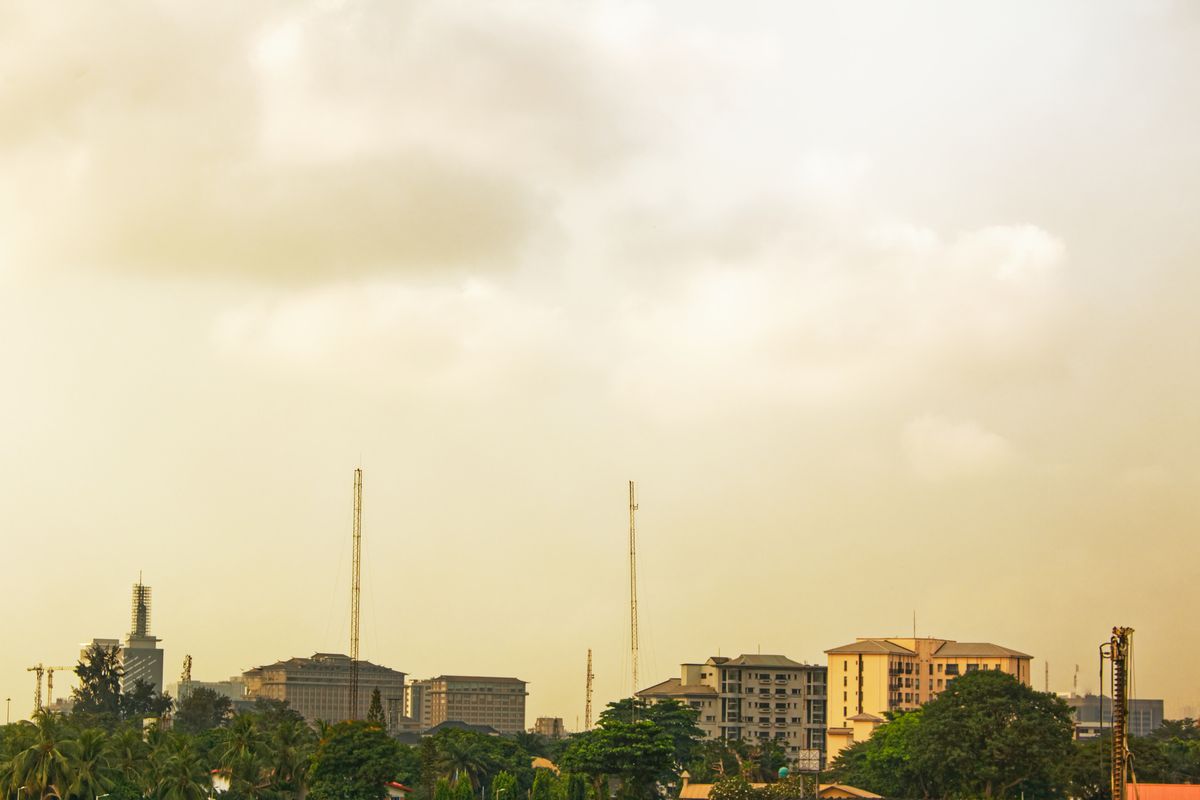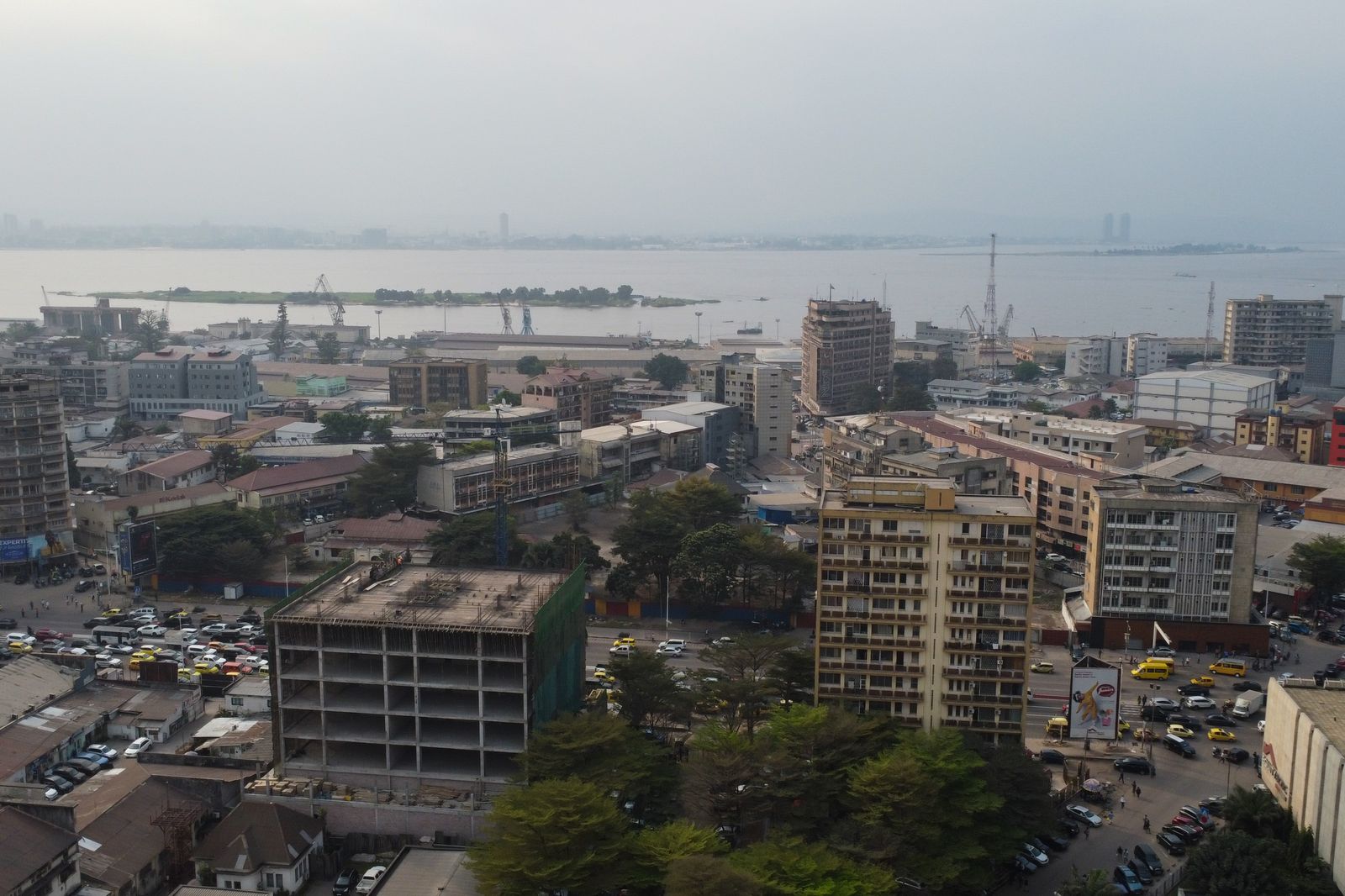
The largest city in Africa is Cairo, Egypt's capital, with an urban population of roughly 23 to 26 million people depending on the estimate. Lagos is usually second and Kinshasa third, but the gap between them depends heavily on how each city's boundaries are drawn.
Top 10 largest cities in Africa (2026 estimates)
This table uses 2026 agglomeration estimates from citypopulation.de, as compiled on Wikipedia, which count the whole built-up urban area rather than just the official city limits.
| Rank | City | Country | Estimated population (2026) |
|---|---|---|---|
| 1 | Cairo | Egypt | 23.2 million |
| 2 | Lagos | Nigeria | 21.9 million |
| 3 | Kinshasa | DR Congo | 16.9 million |
| 4 | Johannesburg (Gauteng urban area) | South Africa | 15.1 million |
| 5 | Luanda | Angola | 10.4 million |
| 6 | Khartoum–Omdurman | Sudan | 7.4 million |
| 7 | Abidjan | Côte d'Ivoire | 7.3 million |
| 8 | Nairobi | Kenya | 7.15 million |
| 9 | Accra | Ghana | 7.05 million |
| 10 | Dar es Salaam | Tanzania | 6.9 million |
Why the rankings disagree
Different sources give very different numbers for the same city. For example:
- Cairo: about 23.2 million (citypopulation.de, 2026), about 25.6 million (UN World Urbanization Prospects figures reported in January 2026) and about 10 million for Cairo Governorate alone in Egypt's census.
- Lagos: about 21.9 million (citypopulation.de), about 14.4 million (UN figure for 2020) and about 12.8 million in the UN figures reported in January 2026.
- Kinshasa: about 16.9 million (citypopulation.de), about 14.3 million (UN 2020) and about 10.9 million in the January 2026 UN-based ranking, which placed Luanda third instead.
Three things drive these gaps:
- Boundaries. Some sources count only the city or province, others the continuous built-up area. Greater Lagos now spills into Ogun State.
- Old census data. Nigeria's last census was in 2006, so every Lagos figure is a projection. DR Congo has not held a full census since 1984.
- Method. UN estimates use national definitions of "urban", while independent sources often use satellite imagery of built-up land.
So the fair summary is: Cairo is first on every major estimate, Lagos is a strong second, and the order from third place down changes with the source.
Lagos: Africa's fastest-growing megacity contender
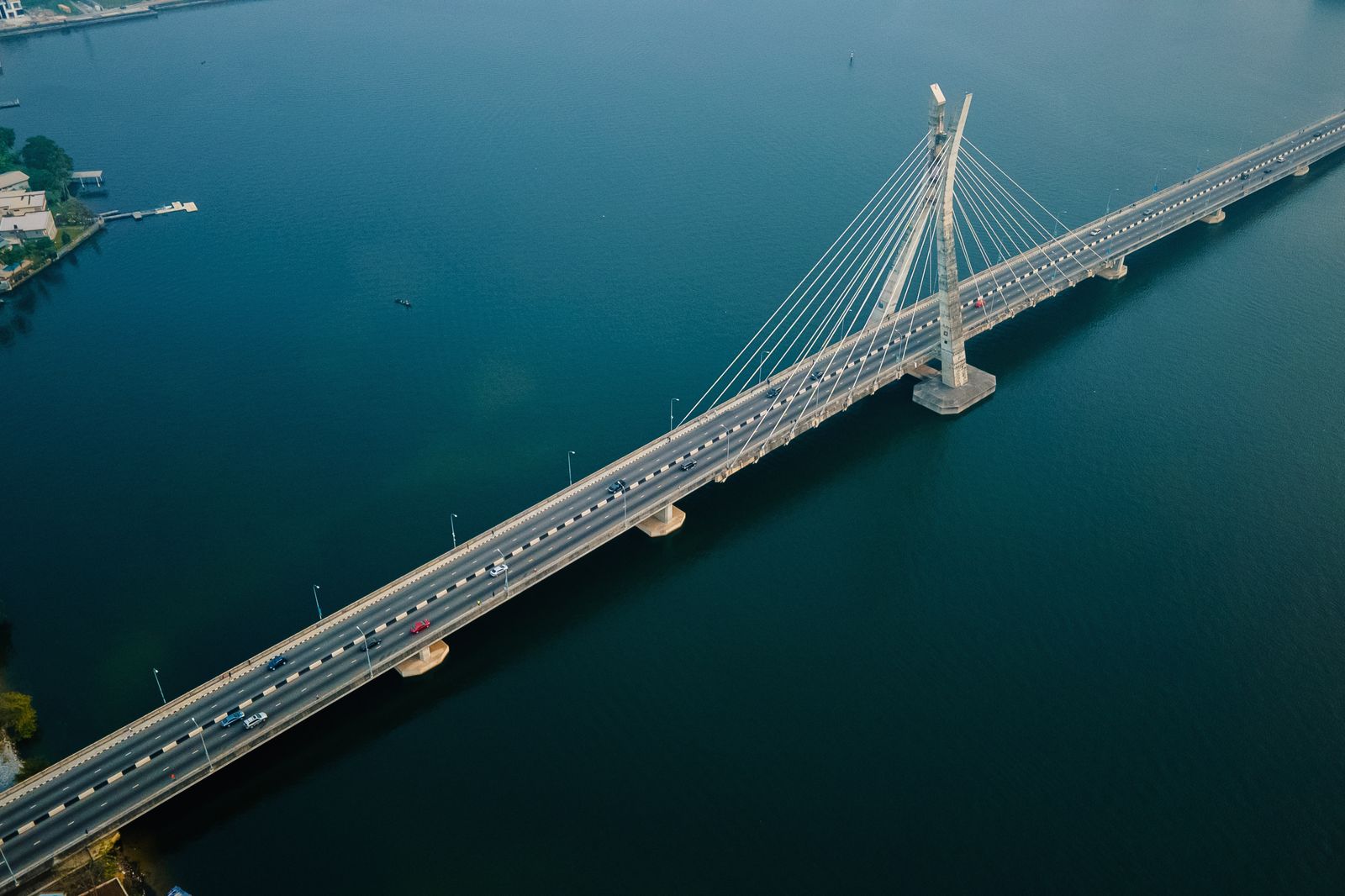
Lagos covers only a small part of Nigeria's land area but is the country's commercial centre, home to the main port, the busiest airport and most corporate headquarters. Its population grows through births and steady migration from the rest of Nigeria and West Africa. Many projections expect greater Lagos to rival or pass Cairo in the coming decades, although that depends on the boundary used. For wider context, see our guide to Nigeria's population.
Other large Nigerian cities
Kano appears in many African top-15 lists, with a metro population estimated at about 5.5 million by citypopulation.de. Ibadan, Abuja and Port Harcourt are also among Africa's larger urban areas. Onitsha appears in some UN-based rankings because its built-up area merges with nearby towns.
How fast African cities are growing
Africa is urbanising faster than any other region. Many of the cities in the top 10 have roughly doubled in size within a generation, and new megacities are emerging: Luanda, Dar es Salaam, Abidjan, Nairobi and Accra are all now around or above 7 million people on citypopulation.de's estimates. Growth brings pressure on housing, roads, water and power, which is why traffic and informal settlements are common features of every large African city. It also creates huge markets for construction, transport, food and digital services.
Why city size matters for business
Big cities concentrate consumers, workers and infrastructure, which is why investors watch them closely. Cairo, Lagos, Kinshasa and Johannesburg together hold tens of millions of consumers, and fast-growing cities like Luanda, Dar es Salaam and Abidjan are drawing new investment in housing, transport and retail. If you follow African property and markets, city growth is one of the most useful long-term signals.