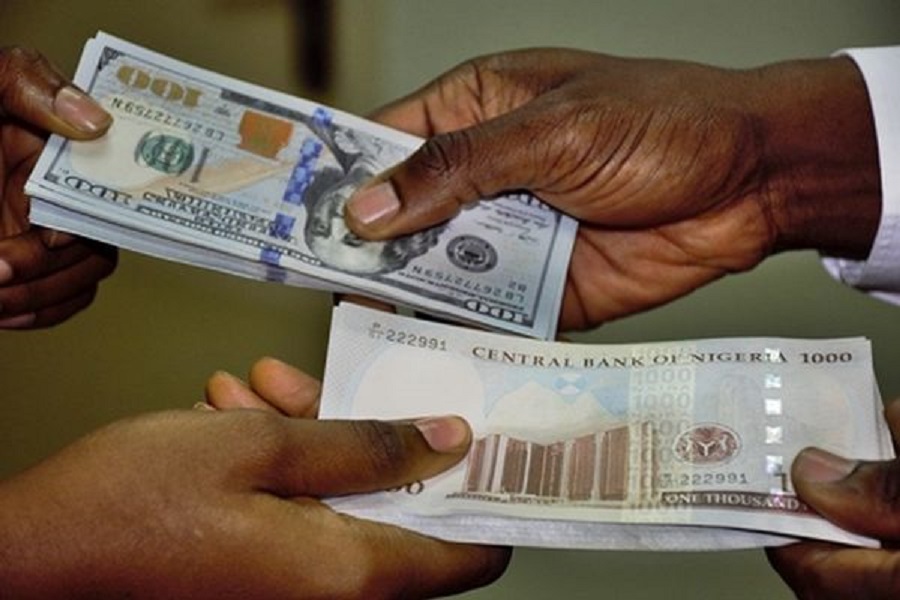
Nigeria and Ghana trade heavily across the ECOWAS corridor, and many families and businesses straddle both. There is no direct interbank market between the naira and the cedi, so the rate is worked out through the US dollar. The tool below shows today's official cedi–naira rate and converts both ways.
Where the rate stands now
On 11 November 2026 one cedi was worth about ₦115.7 at the official cross rate. Equivalently, ₦1,000 was about GH₵8.65. In Accra the dollar was about GH₵11.68 officially (Bank of Ghana) and around GH₵12.1 at forex bureaux. In Lagos it was about ₦1,351 officially and ₦1,390–₦1,430 on the street.
How to read the cedi–naira rate
The cross rate is naira per dollar ÷ cedi per dollar: ₦1,351 ÷ GH₵11.68 ≈ ₦115.7 per cedi. So the cedi–naira rate moves whenever either currency moves against the dollar. A stronger cedi or a weaker naira means each cedi buys more naira.
Ways to get the latest rate
- This page: the tool above updates daily from the central-bank rates on the Jump.AFRICA FX desk.
- Central banks: the Bank of Ghana publishes a daily cedi reference rate, and the CBN publishes daily NFEM rates. Divide one by the other as shown above.
- Border and market dealers: traders at Seme, Aflao and in Lagos and Accra markets quote their own cash rates, usually with a wide margin. Ask for both buy and sell prices.
Sending money between Nigeria and Ghana
- Mobile-money and fintech transfer services now link Nigerian bank accounts with Ghanaian mobile wallets (MTN MoMo, Telecel Cash, AT Money). They are often cheaper than bank wires for small amounts.
- For business payments, PAPSS (the Pan-African Payment and Settlement System) lets some banks settle in local currencies without going through the dollar. Ask your bank whether it is connected.
- On Jump.AFRICA you can hold naira and cedis and pay people in your network directly.
Sources: Bank of Ghana and CBN published rates; Jump.AFRICA FX desk (11 Nov 2026); Afreximbank (PAPSS).