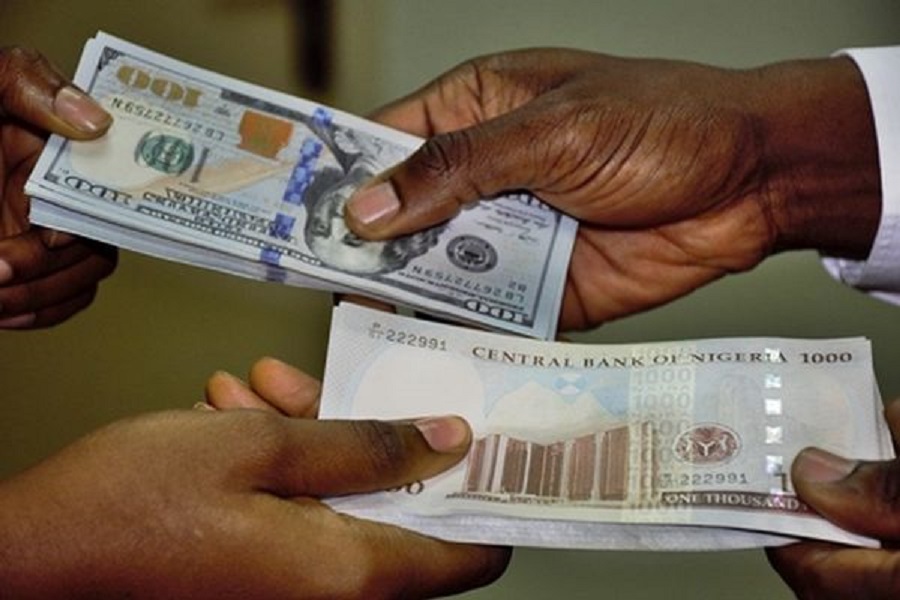
There are two dollar prices for the naira, and the one you get depends on where you change your money. The official rate is set by trading between banks on the Nigerian Foreign Exchange Market (NFEM). The black market (or parallel) rate is what bureaux de change and street dealers charge for cash. The live tool below shows both, updated daily.
Where the dollar rate stands now
In mid-November 2026 the official rate was about ₦1,351 to the dollar and the Lagos parallel market about ₦1,390–₦1,430, a gap of roughly 3–6%. That gap is far narrower than it used to be. In February 2024 the street rate briefly reached around ₦1,900 while the official rate was hundreds of naira lower.
| Date | Official (NFEM) | Parallel market |
|---|---|---|
| 2 Dec 2024 (EFEMS launch) | ≈ ₦1,661 | — |
| Late Nov – 2 Dec 2025 | ≈ ₦1,445–₦1,458 | ≈ ₦1,465–₦1,480 |
| 11 Nov 2026 | ≈ ₦1,351 | ≈ ₦1,430 |
Why there are two rates
In June 2023 the Central Bank of Nigeria (CBN) merged its separate official windows into one market and let the rate move with supply and demand. Since December 2024 banks trade dollars on the Electronic Foreign Exchange Matching System (EFEMS), a Bloomberg-run order book. Prices are published in real time, which has made the official rate harder to manipulate.
A parallel market still exists for people who need cash dollars quickly, or who cannot or will not use a bank: school fees, travel, imports paid in cash. Because street dealers carry more risk and hold less stock, they charge a premium over the official rate.
How to get a fair rate
- Compare both prices before you deal. Check the official close and the parallel quote on the same day. A dealer asking much more than the gap shown above is overcharging.
- Use licensed operators. Under the CBN's 2024 bureau de change rules, licensed BDCs must hold ₦2 billion (Tier 1, nationwide) or ₦500 million (Tier 2, one state) in capital. Ask to see the licence.
- Avoid cash for large sums. Bank transfers leave a record, which protects you if something goes wrong. Cash deals on the street have no comeback.
- Watch the spread, not just the rate. Dealers quote a buy and a sell price. The difference is their margin, so ask for both.
Sending dollars to Nigeria
If you are abroad, licensed money-transfer operators and banks pay out at or close to the official rate. Most charge a fee or add a margin to the rate. Work out how much naira actually arrives, not just the headline fee. On Jump.AFRICA you can pay people in your network from your wallet in naira, dollars, pounds or euros.
Sources: CBN NFEM closing rates; BusinessDay and Techeconomy parallel-market reports (Nov 2025 and Nov 2026); CBN Guidelines for Bureau De Change Operations 2024.