Security is one of the first things people ask about when moving home or buying property in Nigeria. Good security comes in layers. The aim is to make your home a harder target than the alternatives.
1. Choose the location and estate carefully
- Gated estates with a single controlled entrance, perimeter walls and a residents' association are generally safer.
- Ask residents how incidents are handled, how the security levy is spent, and how quickly guards respond.
- Visit at night: check street lighting and activity.
2. Physical security
- Solid perimeter wall and gate. Burglary-proof bars or security doors on ground-floor openings.
- Good outdoor lighting, ideally solar-backed.
- A secure inner room or "safe room" with a strong door and a phone.
3. Technology
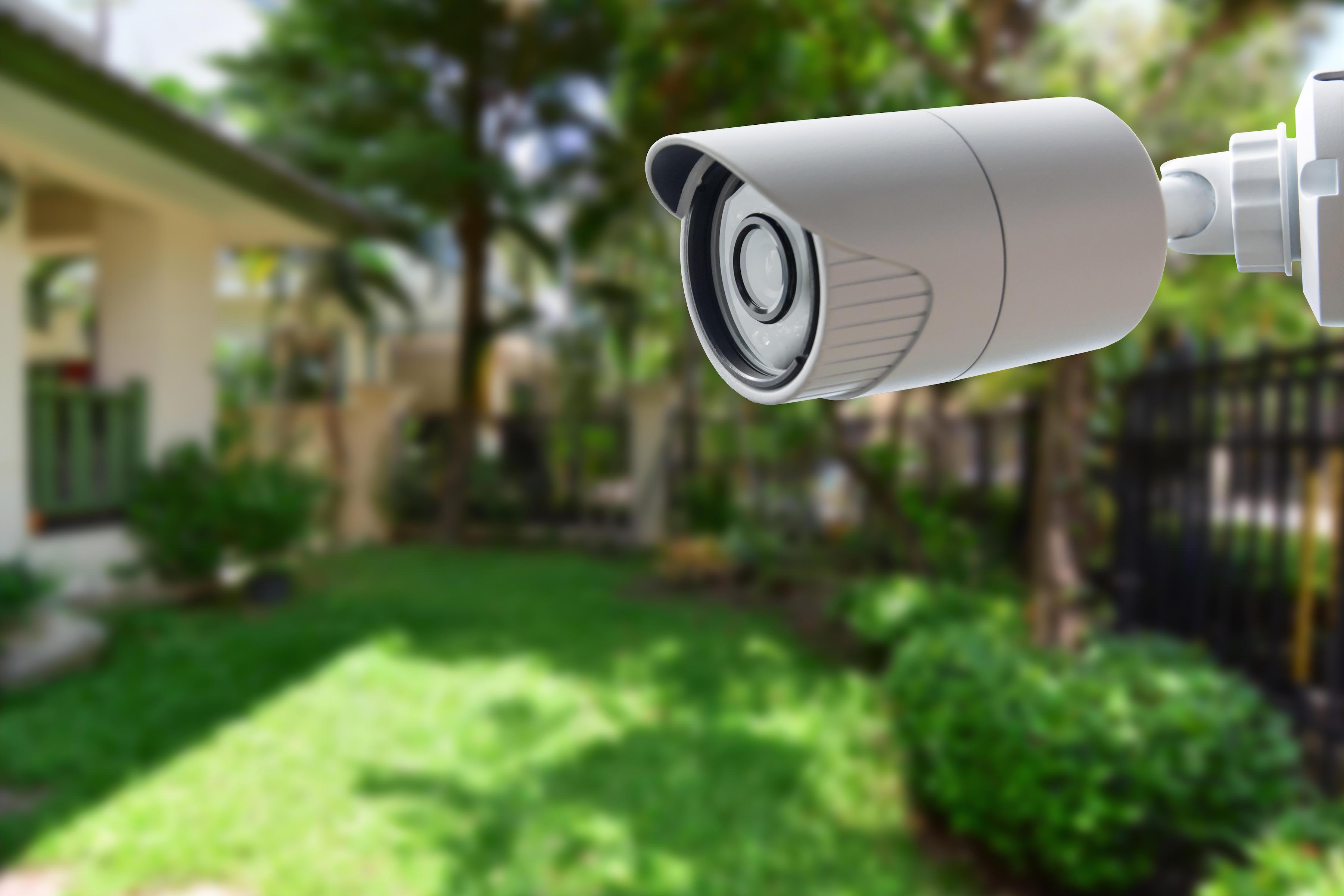
- CCTV: cover the gate, entrances and blind spots. Choose battery or solar backup and remote viewing.
- Alarms and panic buttons linked to your phone, and to a response company if available.
- Smart locks and video doorbells help you see who's at the gate before opening.
4. People
- Hire guards through licensed private security firms (registered with the NSCDC) rather than informally.
- Vet domestic staff: ID, references and a guarantor. Don't share routines or travel plans widely.
- Agree simple household rules: who opens the gate, codes for deliveries, what to do in an emergency.
5. Community and emergencies
- Save 112 (national emergency line) and your state's emergency numbers. Know where your nearest police division is.
- Join your estate or street security group, and share alerts quickly and calmly.
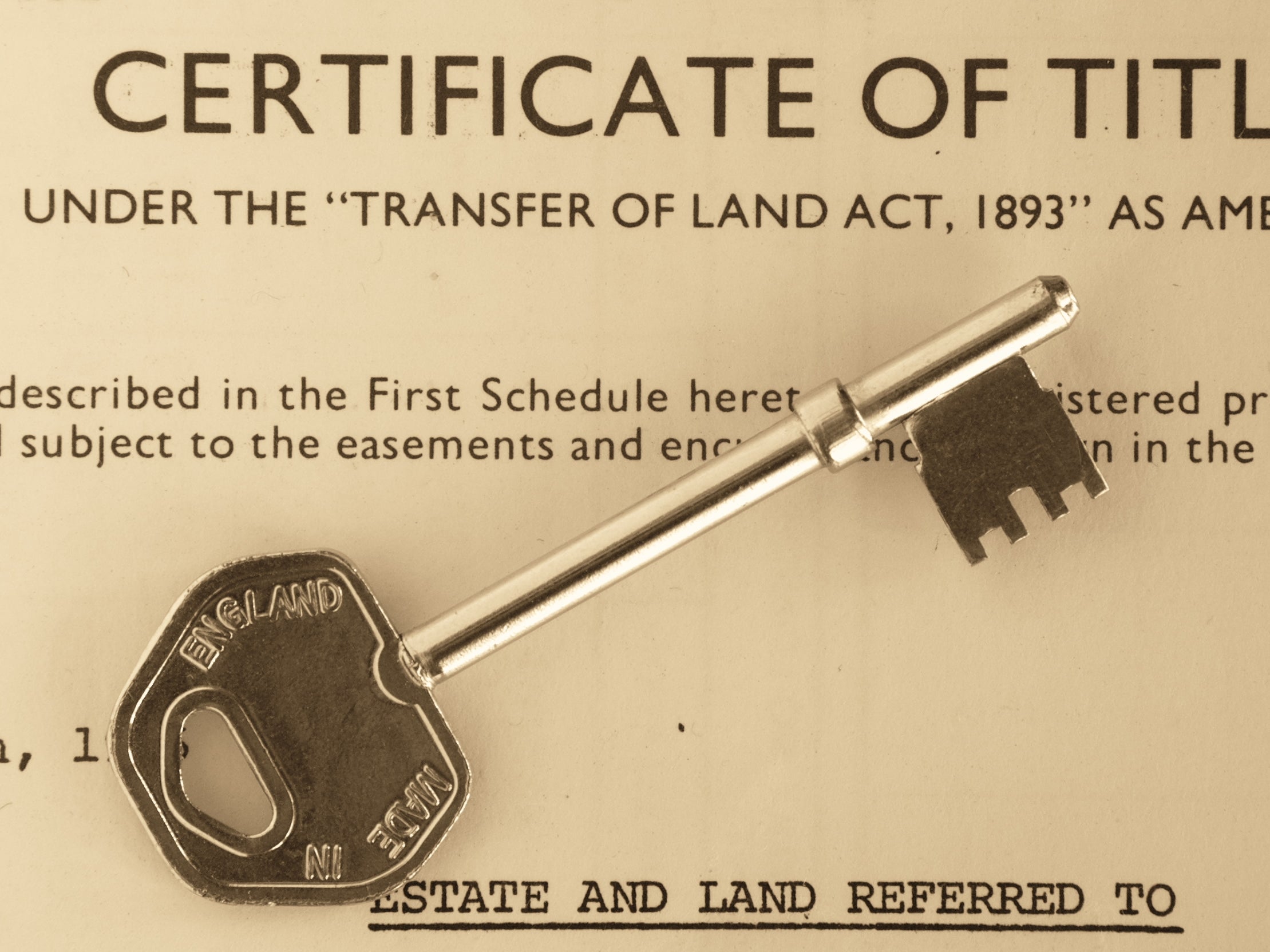
- Keep copies of IDs and title documents in a safe place outside the home or in secure cloud storage.
Sources: Nigeria Police Force and state emergency services; Nigeria Security and Civil Defence Corps (private guard licensing).