Abuja airport is Nnamdi Azikiwe International Airport (IATA code ABV, ICAO DNAA), the main airport serving Nigeria's capital. It sits about 20 km southwest of the city centre, is operated by the Federal Airports Authority of Nigeria (FAAN) and is generally ranked the country's second busiest airport after Lagos.
Abuja airport key facts
| Item | Detail |
|---|---|
| Official name | Nnamdi Azikiwe International Airport |
| Codes | IATA: ABV; ICAO: DNAA |
| Location | About 20 km southwest of central Abuja, FCT |
| Operator | Federal Airports Authority of Nigeria (FAAN) |
| Runway | One runway (04/22), 3,610 m, asphalt |
| Elevation | About 342 m (1,123 ft) |
| Passengers | About 5.48 million in 2024 |
| Hub for | Air Peace, Arik Air, Aero Contractors, Ibom Air, Overland Airways |
Why it is named after Nnamdi Azikiwe
The airport honours Dr Nnamdi Azikiwe (1904–1996), a leading figure in Nigeria's independence movement and the country's first president. Naming the capital's gateway after him reflects the symbolic role of Abuja, which became the federal capital in 1991.
Terminals
Abuja's terminal story has two main chapters:
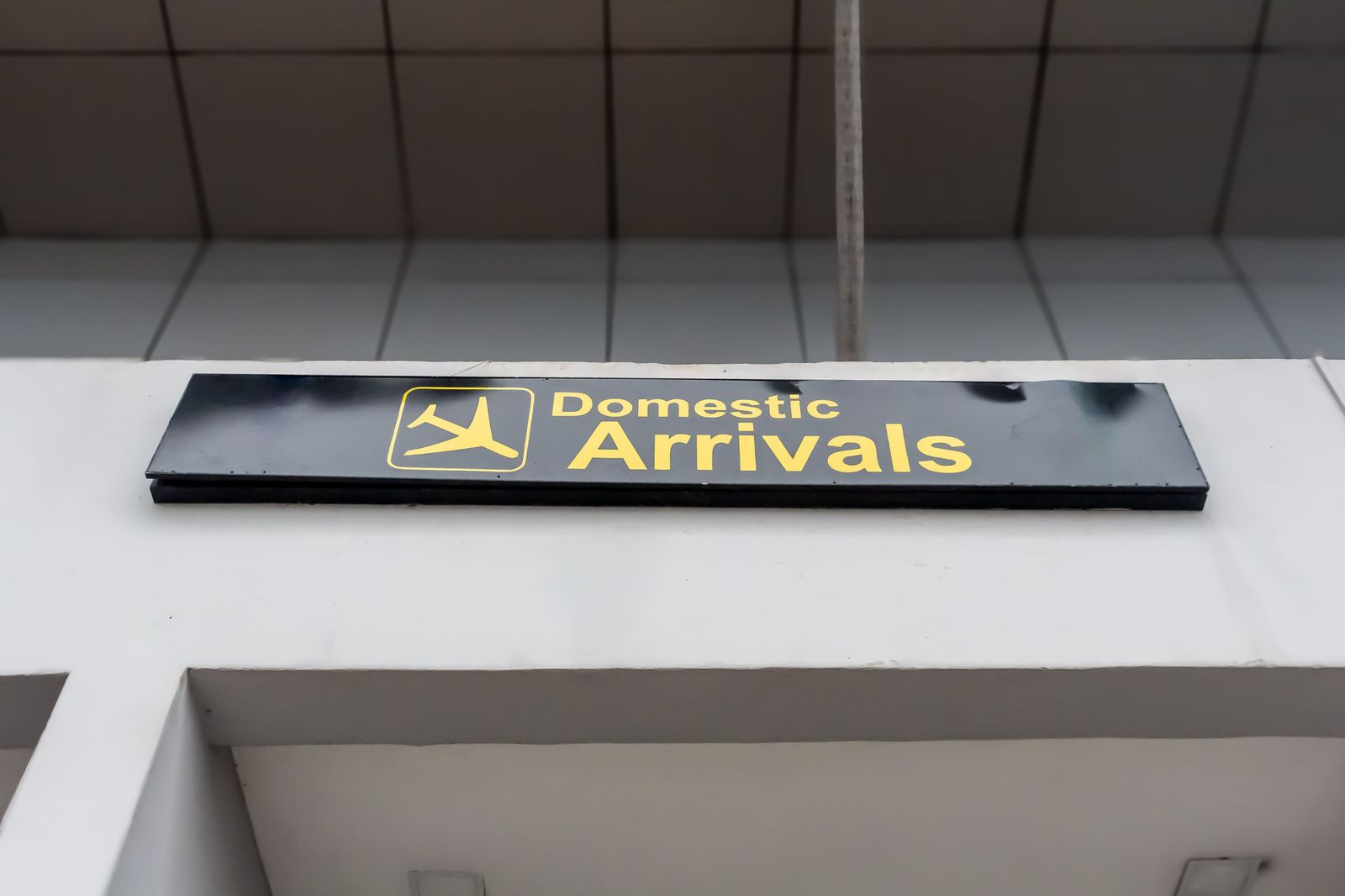
- A terminal built by Julius Berger opened for international flights in 2002. The older building now handles domestic flights.
- A newer, larger terminal was commissioned in December 2018. FAAN said it could process up to 15 million passengers a year, well above current traffic.
Check your ticket and the FAAN or airline app for the terminal before you travel, because domestic and international departures use different buildings.
The runway and the second-runway saga
The airport runs on one runway. In 2017 it closed for about six weeks while the runway was rebuilt, and flights moved to Kaduna. A second runway was conceived in 2009 under President Yar'Adua but has repeatedly stalled. In October 2026 the Minister of Aviation and Aerospace Development, Festus Keyamo, said the estimated cost had climbed from about N45 billion when first proposed to nearly N400 billion, blaming the long delays. Until a second runway is built, any closure of the existing one disrupts the whole airport.
Airlines and destinations
Domestic airlines link Abuja with Lagos, Port Harcourt, Kano, Enugu, Owerri and most state capitals. International carriers serving Abuja include:
- Ethiopian Airlines (Addis Ababa)
- Qatar Airways (Doha) and Turkish Airlines (Istanbul)
- EgyptAir (Cairo) and Royal Air Maroc (Casablanca)
- Air France (Paris) and Air Peace (London)
- ASKY (Lomé), Uganda Airlines (Entebbe) and Air Algérie (Algiers)
Routes change often, so confirm with the airline before booking. Our guide to airlines in Nigeria covers the main local carriers.
Arriving in Abuja: practical tips
- Allow time. Arrive at least 2 hours before domestic flights and 3 hours before international ones.
- Getting into town. Most travellers use ride-hailing apps, hotel pickups or licensed airport taxis. Agree the fare before you leave the terminal if you take a taxi.
- Light rail. Abuja's metro line has a stop serving the airport area, but services have been irregular. Check before relying on it.
- Cash and cards. Have some naira for tips and small purchases. You can check today's exchange rates on our rates page.
- Documents. Keep your passport, e-visa or landing permit and return ticket handy for immigration.
Abuja airport by the numbers over time
Traffic at Abuja has grown steadily but unevenly. FAAN figures show about 4.2 million passengers in 2011 and about 5.55 million in 2019, before the pandemic cut travel. Numbers had recovered to about 5.3 million by 2021 and reached about 5.48 million in 2024, with roughly 78,000 aircraft movements and about 9,100 tonnes of cargo. That is well below the 15 million passengers the newer terminal was designed for, leaving room to grow if airlines add routes.
For diaspora travellers
Many diaspora Nigerians fly into Lagos and connect to Abuja, but direct options via Addis Ababa, Doha, Istanbul and Casablanca can save a domestic leg. Planning a group visit home? See our trips page.