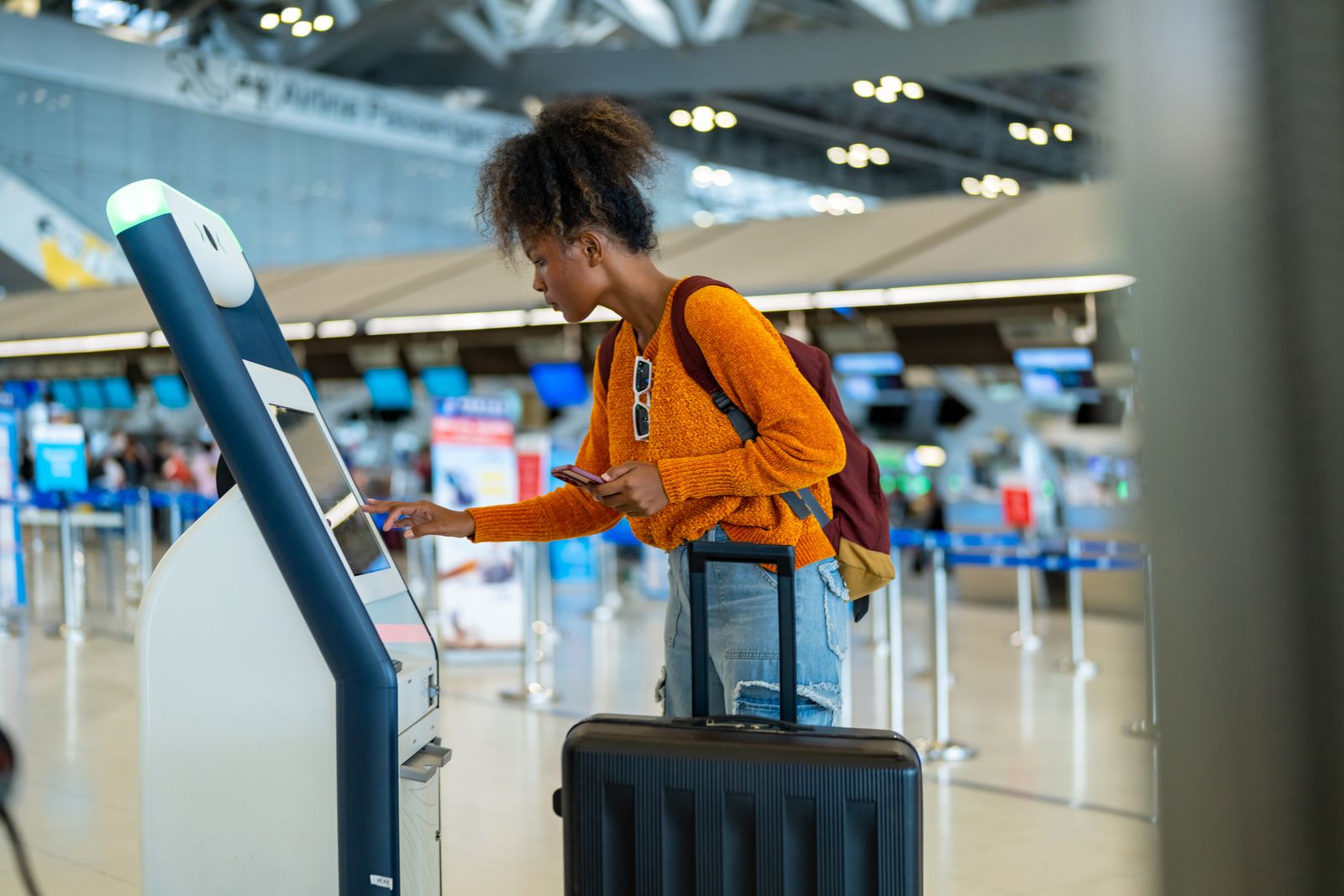
The main airlines in Nigeria flying scheduled domestic routes in late 2026 are Air Peace, Ibom Air, United Nigeria Airlines, ValueJet, Green Africa, Arik Air, Overland Airways, Aero Contractors, Max Air, Rano Air and the newer Enugu Air. Air Peace has the largest network, while Lagos and Abuja are the busiest hubs. Dana Air is not flying scheduled services, and airline schedules in Nigeria change often, so always check an airline's own website or app before you book.
Domestic airlines operating in Nigeria (late 2026)
The table below is based on a July 2026 status review by the travel platform Tramango, cross-checked with regulator and press reports up to November 2026. The Nigerian Civil Aviation Authority (NCAA) reported 15 airlines operating domestic flights in August 2026. Treat the list as a guide rather than a guarantee: an airline can pause routes or ground aircraft at short notice.
| Airline | Main base | What to expect |
|---|---|---|
| Air Peace | Lagos | Biggest domestic network, plus regional and some long-haul international flights |
| Ibom Air | Uyo | Owned by Akwa Ibom State; known for punctuality; key trunk routes including Lagos and Abuja |
| United Nigeria Airlines | Enugu | Strong in the South-East and on major city pairs |
| ValueJet | Lagos | Growing network centred on Lagos, Abuja and Port Harcourt |
| Green Africa | Lagos | Low-cost model with fares often among the cheapest |
| Arik Air | Lagos | Former largest carrier, now operating a smaller network |
| Overland Airways | Lagos | Links smaller regional airports with major cities |
| Aero Contractors | Lagos | Small scheduled network, plus charter and maintenance work |
| Max Air | Kano | Northern routes; resumed domestic flights after earlier disruptions |
| Rano Air | Kano | Northern and selected national routes; has trimmed routes when fuel prices rose |
| Enugu Air | Enugu | New entrant; received its Air Operator Certificate in March 2026 |
Not flying scheduled services: Dana Air's operating certificate remains suspended, and NG Eagle was reported as not running regular scheduled passenger flights as of mid-2026. If you see tickets on sale for either, confirm directly with the airline.
Main airports and hubs
- Lagos – Murtala Muhammed Airport (LOS): most domestic flights use the domestic terminals, including the privately run MMA2 terminal. Check which terminal your airline uses, as they are not next to each other.
- Abuja – Nnamdi Azikiwe Airport (ABV): the second-busiest hub and the main link to the North.
- Port Harcourt (PHC), Kano (KAN) and Enugu (ENU): regional hubs for the South-South, North-West and South-East.
- Uyo (QUO): base of Ibom Air.
Smaller airports such as Ibadan, Ilorin, Akure, Calabar, Asaba, Owerri, Benin and Sokoto are served by fewer flights, sometimes only a few times a week.
The NCAA and what it means for passengers
The Nigerian Civil Aviation Authority licenses airlines, issues Air Operator Certificates and enforces passenger rights rules. A few points matter for travellers in 2026:
- Debt and fuel pressures: in May 2026 the NCAA briefly placed 11 operators, including Air Peace, Ibom Air and Arik Air, on a "no pay, no service" list over unpaid charges, then suspended the directive after talks. Airlines had also threatened a shutdown in April 2026 over the cost of jet fuel. These disputes can lead to sudden cancellations.
- Delays are common: NCAA figures for August 2026 showed 4,765 of 7,961 domestic flights were delayed and 36 were cancelled. Build in plenty of time for connections.
- Passenger rights: NCAA rules require airlines to offer refreshments for long delays and refunds or rebooking for cancellations. You can file a complaint with the NCAA's consumer protection desk if an airline does not respond.
On the positive side, capacity is growing. Data from aviation analytics firm OAG, reported in November 2026, put scheduled domestic seats at about 978,000 for the month, up about 29% on a year earlier.
Booking tips for domestic flights
- Book direct. Use the airline's own website or app, or a well-known travel agency. Avoid paying individuals on social media for "cheap tickets".
- Compare early. Fares rise sharply close to Christmas, Easter and Sallah holidays. Booking two to four weeks ahead usually helps.
- Check baggage rules. Low-cost fares may include only a small bag; paying for checked luggage at the airport costs more.
- Bring valid ID. Nigerian travellers normally show a national ID, driver's licence, voter's card or passport. Make sure the name on your ticket matches your ID. Need your NIN? See how to check your NIN number.
- Arrive early. Aim for at least 90 minutes before departure at Lagos and Abuja, where security queues can be long.
- Keep the airline's contacts handy. Sign up for SMS or email alerts so you hear about schedule changes quickly.
- Have a backup plan. On short routes such as Lagos–Ibadan, road or rail can be a reliable alternative when flights are disrupted.
Tips for diaspora travellers
If you are flying into Nigeria on an international carrier and connecting to a domestic flight, avoid booking tight same-day connections, especially in Lagos, where international and domestic terminals are separate and road transfers can be slow. Many returning Nigerians prefer to stay one night near the airport before a domestic hop. Naira fares can look cheap when converted to dollars or pounds, but check the latest exchange rate on our FX rates page before you pay with a foreign card, as some cards add extra charges.