
Be honest: how many of the clothes in your wardrobe right now came from an okrika bale? Many of us have that one jacket or pair of jeans that people keep asking about, and we just smile because we know it was ₦3,000 from the market.
Second-hand clothing has gone from something people hid to something people show off. Some sellers now call it "thrift", sort the best pieces, steam them and sell them on Instagram and WhatsApp. Others still sell straight from the bale in open markets, where you stand for thirty minutes picking and selecting.
Prices have climbed too. In June, traders in Dutse told the News Agency of Nigeria that a used shirt that went for ₦1,500 now sells for about ₦3,500, trousers have gone from ₦3,000 to around ₦6,000, and good jeans now cost ₦4,500 to ₦7,000. They blamed fuel and transport costs. Even so, buyers say it is still far cheaper than new clothes, and often better quality.
Why people love it:
You can find branded or vintage pieces nobody else is wearing.
Okrika is often more durable than cheap new fabric.
It is a big hustle for young sellers, both online and in the market.
Some fashion lovers also like that it means fewer clothes thrown away.
But there are things to watch:
Wash everything properly before wearing, especially underwear and anything close to the skin.
Check zips, armpits and seams in good light before you pay.
Some boutiques quietly resell okrika as "new". Ask questions and compare prices.
In Kenya they call it mitumba, in Ghana obroni wawu, and the debate about whether imports hurt local tailors is the same across the continent.
So let's gist:
What is the best okrika or thrift piece you have ever bought, and how much was it?
Would you wear second-hand to an owambe, a date or a job interview?
Is thrift fashion helping young Africans look good, or killing our local tailors and textile industry?
Sources: https://gazettengr.com/okrika-second-hand-shirt-price-jum... · https://gazettengr.com/high-cost-of-living-pushing-more-n...
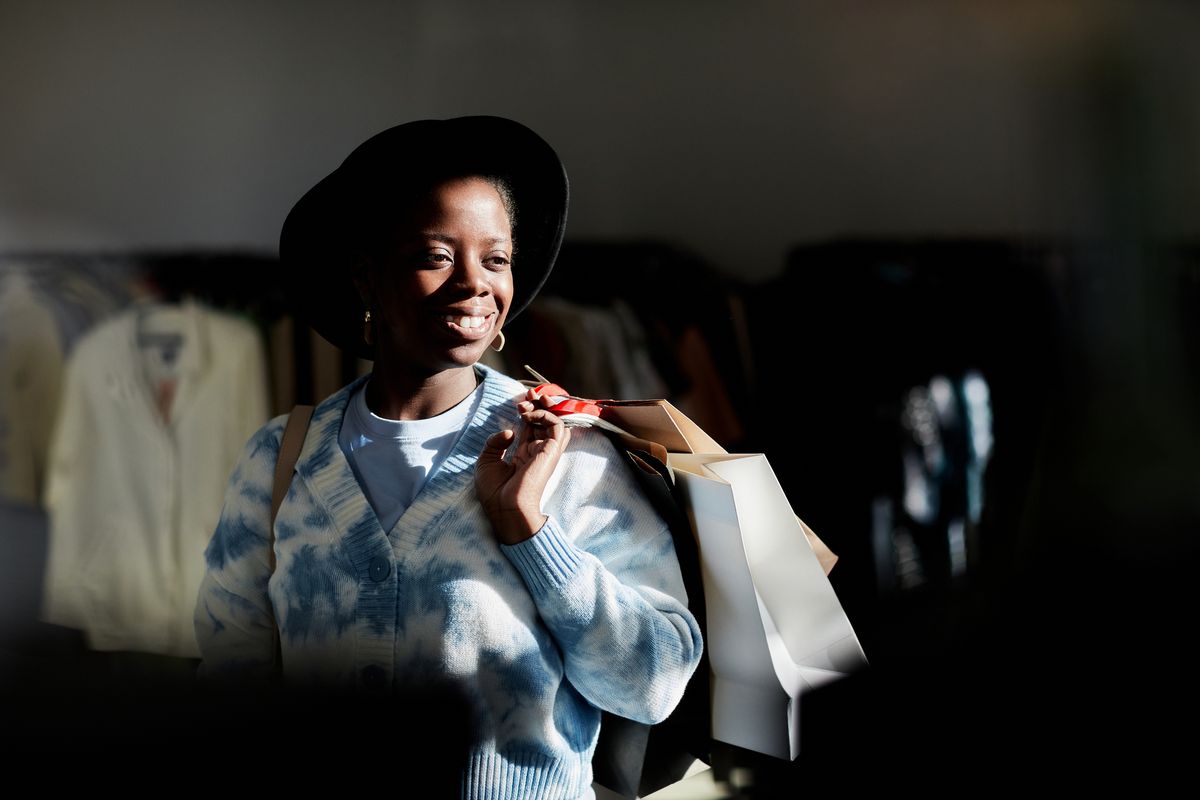
Photo: iStock
Posted by the Jump.AFRICA team to start the conversation. Jump in below
