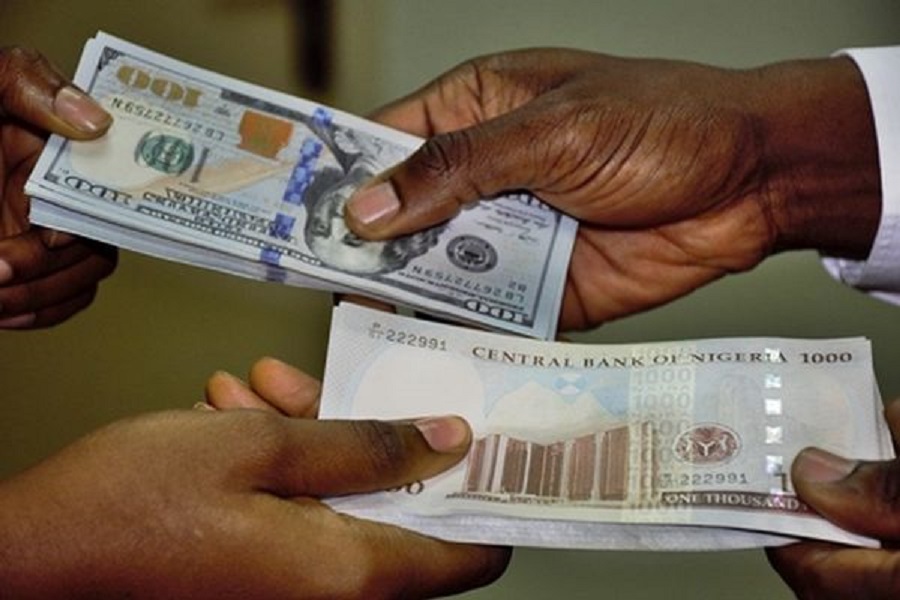
If you are sending pounds home or changing them in Lagos, two rates matter: the official pound–naira rate, which follows the dollar market, and the black market (parallel) rate charged for cash. The tool below shows both, updated daily, and converts any amount.
Where the pound stands now
On 11 November 2026 the official rate was about ₦1,813 per pound and the parallel market about ₦1,860, a gap of under 3%. A year earlier, in November 2025, cash pounds were changing for about ₦1,900–₦1,940 on the street.
How the pound–naira rate is set
Banks in Nigeria trade dollars, not pounds, on the official market. The official pound rate is a cross rate: the naira–dollar price combined with the dollar–pound price in London. So the pound–naira rate can move even on a quiet day in Lagos, if sterling rises or falls against the dollar.
On the street, dealers price pounds the same way and add their margin. Pound notes are less common than dollars in Nigeria, so the margin on cash pounds can be wider, especially for large or old notes.
Getting more naira for your pounds
- Check the cross rate first. Multiply the dollar–naira rate by the pound–dollar rate. If a quote is well below that, you are paying a big margin.
- Compare transfer providers on what arrives. UK banks and money-transfer apps often advertise "no fee" but build their margin into the rate. Compare the naira amount your recipient actually gets.
- Avoid carrying cash. Bank transfers and licensed operators leave a record. Changing large amounts of cash on the street does not.
- Mind the timing for big amounts. Sterling can move 1–2% against the dollar in a week. For a house deposit or school fees, splitting the transfer can smooth the risk.
Paying people in Nigeria from the UK
With a Jump.AFRICA wallet you can hold pounds and naira and pay people in your network directly. Quick Exchange shows the rate before you convert.
Sources: CBN NFEM rates; Lagos parallel-market quotes reported by BusinessDay, Techeconomy and Legit.ng (Nov 2025, Nov 2026).