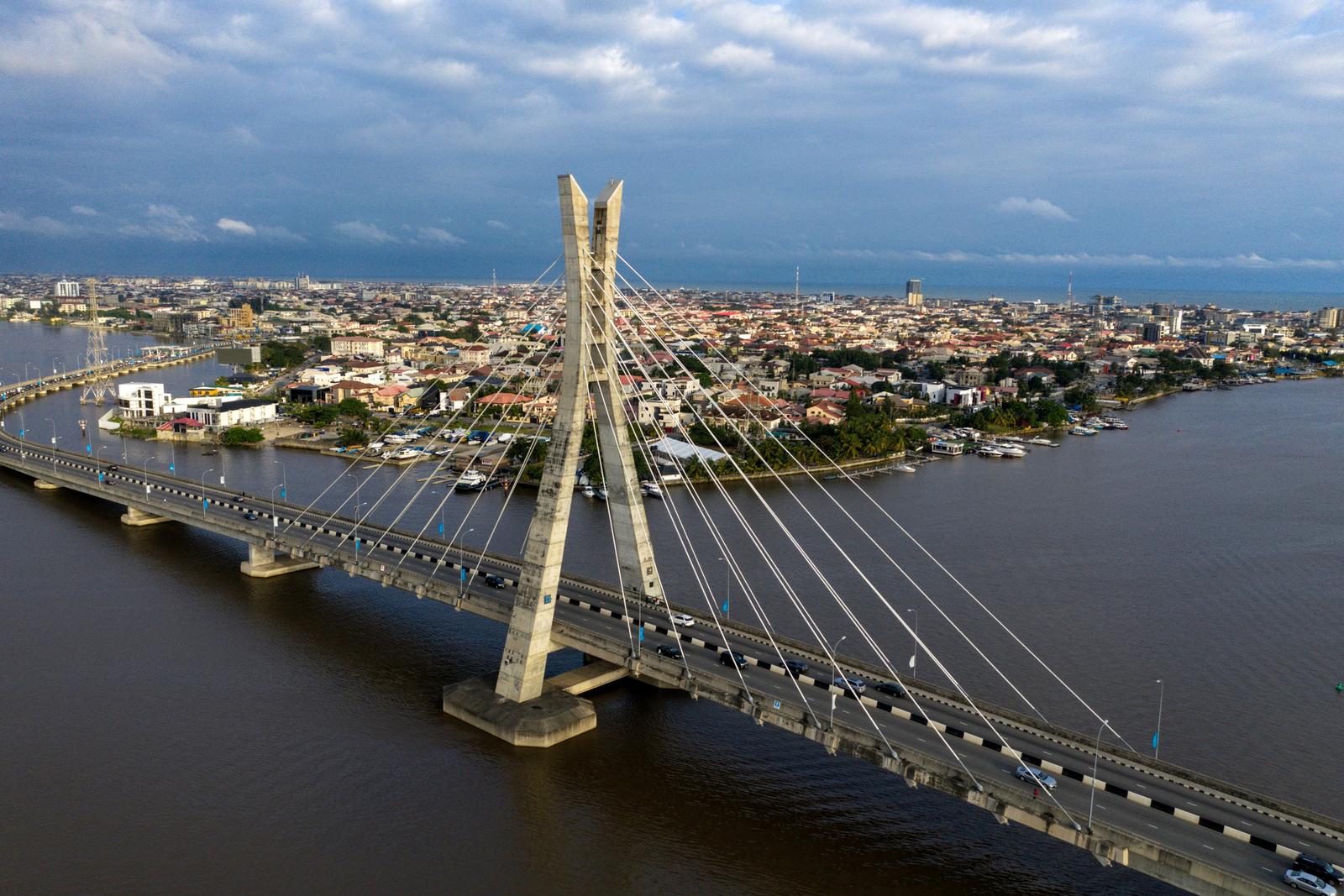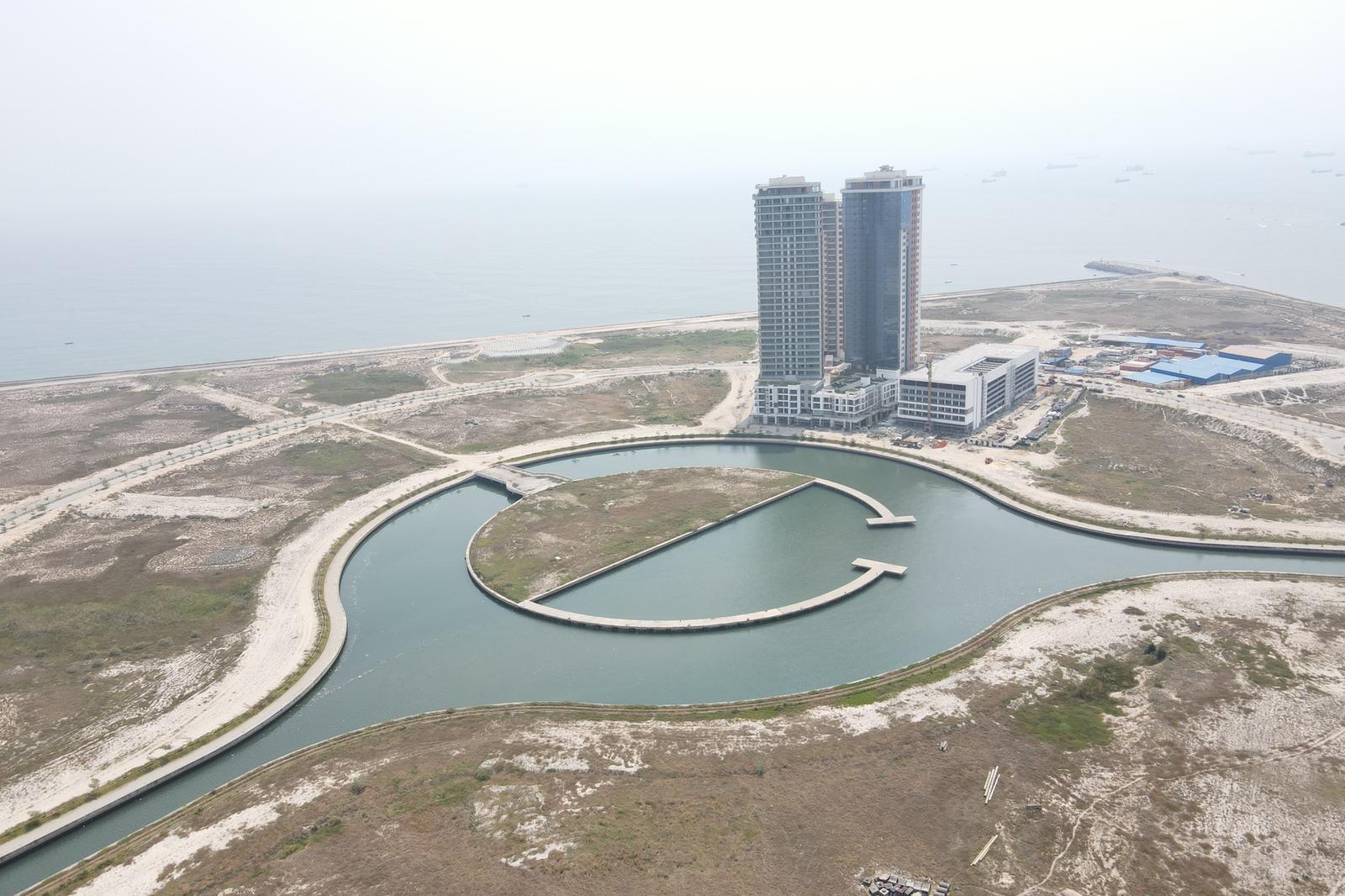
Victoria Island, usually called VI, is the main business and financial district of Lagos, Nigeria. It lies in Eti-Osa Local Government Area, south of Ikoyi and east of Lagos Island, facing the Atlantic Ocean. VI is home to bank headquarters, embassies, hotels and nightlife, and it is one of the most expensive places to buy land in Africa, at about N2.1 million per square metre on average in 2026.
A short history of Victoria Island
Victoria Island was named after Queen Victoria during British colonial rule. Much of the land belonged to the Oniru chieftaincy family. In 1948 the Lagos Executive Development Board paid compensation for the land and resettled inhabitants, and the area was planned as a residential and later commercial district.
VI was once a true island, bordered by the Atlantic to the south, the lagoon mouth to the west, the Five Cowrie Creek to the north and swamps to the east. Filling those eastern swamps created a land link to the Lekki Peninsula. Part of that land was the Maroko settlement, whose residents were forcibly evicted on 14 July 1990; the area later became Victoria Island Annex and Oniru Estate.
Over the last few decades, businesses moved from crowded Lagos Island to VI, turning it into Nigeria's leading banking and corporate hub.
Key areas and landmarks
- Main streets: Adeola Odeku, Akin Adesola, Ahmadu Bello Way, Ozumba Mbadiwe Avenue and Kofo Abayomi Street.
- Business: headquarters of banks such as GTBank and Access Bank, plus many multinational offices.
- Diplomatic missions: most embassies and high commissions in Lagos, including the US and UK consulates.
- Leisure: restaurants, bars and clubs around Adeola Odeku and Akin Adesola, and the Silverbird Galleria cinema and mall.
- Health and schools: private hospitals and international schools serving expatriate and wealthy families.
Next door is Eko Atlantic City, a privately developed district built on land reclaimed from the ocean, which has added pressure on VI land prices.
Victoria Island land prices in 2026
Two 2026 reports give a picture of the market, but they use different data and area definitions:
| Area | Average land price per sqm | Source |
|---|---|---|
| Ikoyi | about N2.45–2.5 million | Lagos Realty, 2026 |
| Victoria Island (overall) | about N2.1 million (N705,000 in 2022) | Lagos Realty, 2026 |
| Core VI | about N2.36 million | Estate Intel, Feb 2026 |
| North-East VI | about N2.34 million | Estate Intel, Feb 2026 |
| South-West VI | about N2.32 million | Estate Intel, Feb 2026 |
| North-West VI | about N1.96 million | Estate Intel, Feb 2026 |
| South-East VI | about N1.71 million | Estate Intel, Feb 2026 |
| Lekki Phase 1 | about N1.5 million | Lagos Realty, 2026 |
Lagos Realty's figures suggest VI land prices rose by nearly 200% between 2022 and 2026. Drivers include demand for mixed-use towers, scarce plots, the Eko Atlantic effect and the naira's fall, which pushes investors into property as a store of value. In north-west VI, Estate Intel found that about three-quarters of ongoing projects were residential.
Living and working in VI
- Traffic: VI's bridges and main roads jam at rush hour. Many workers live in Ikoyi or Lekki to cut commutes.
- Flooding: heavy rains can flood low-lying streets, so check drainage before you rent or buy.
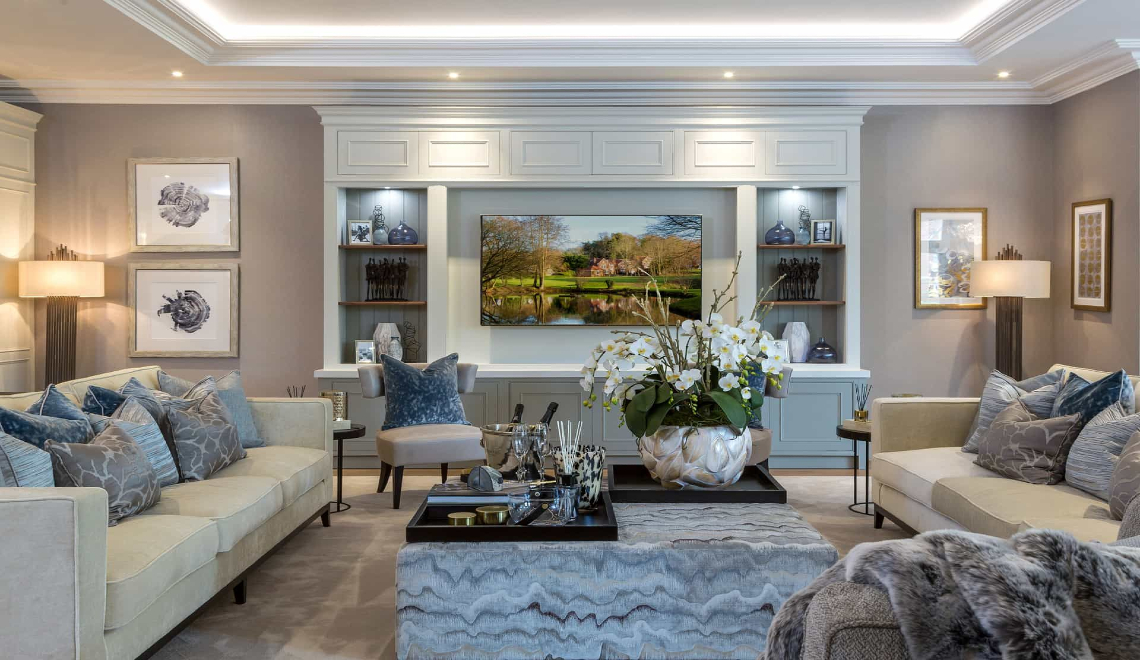
- Costs: rents for luxury flats are often quoted in dollars. Compare with other areas before you commit.
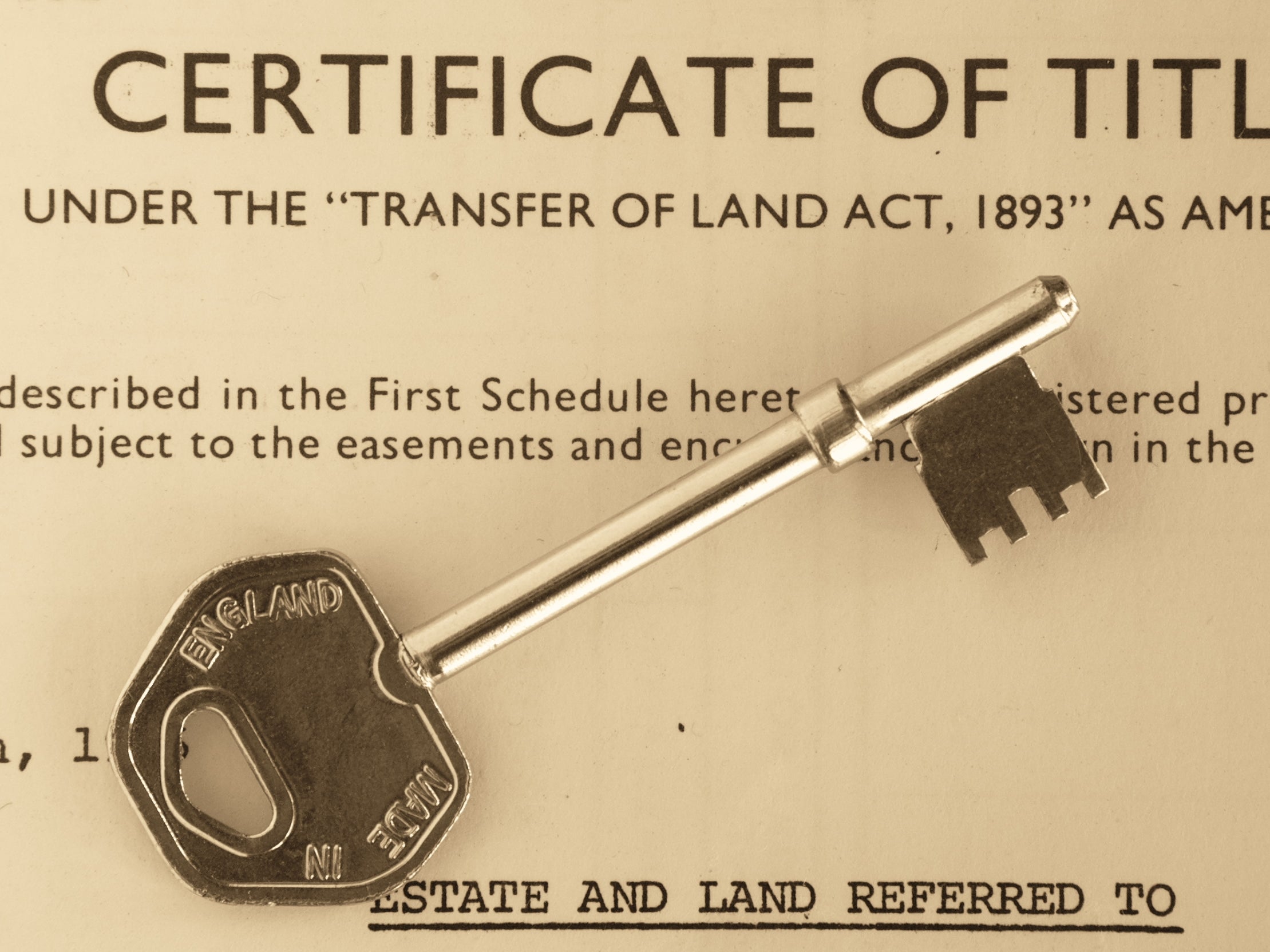
- Title documents: always verify land titles with the Lagos State Land Registry, because fraud is a real risk in premium areas.
For diaspora buyers
VI attracts diaspora investors looking for dollar-linked rental income, but entry prices are high. Compare VI with neighbouring Lekki for value, use a reputable lawyer and surveyor, and track the naira on our rates page before you transfer funds.