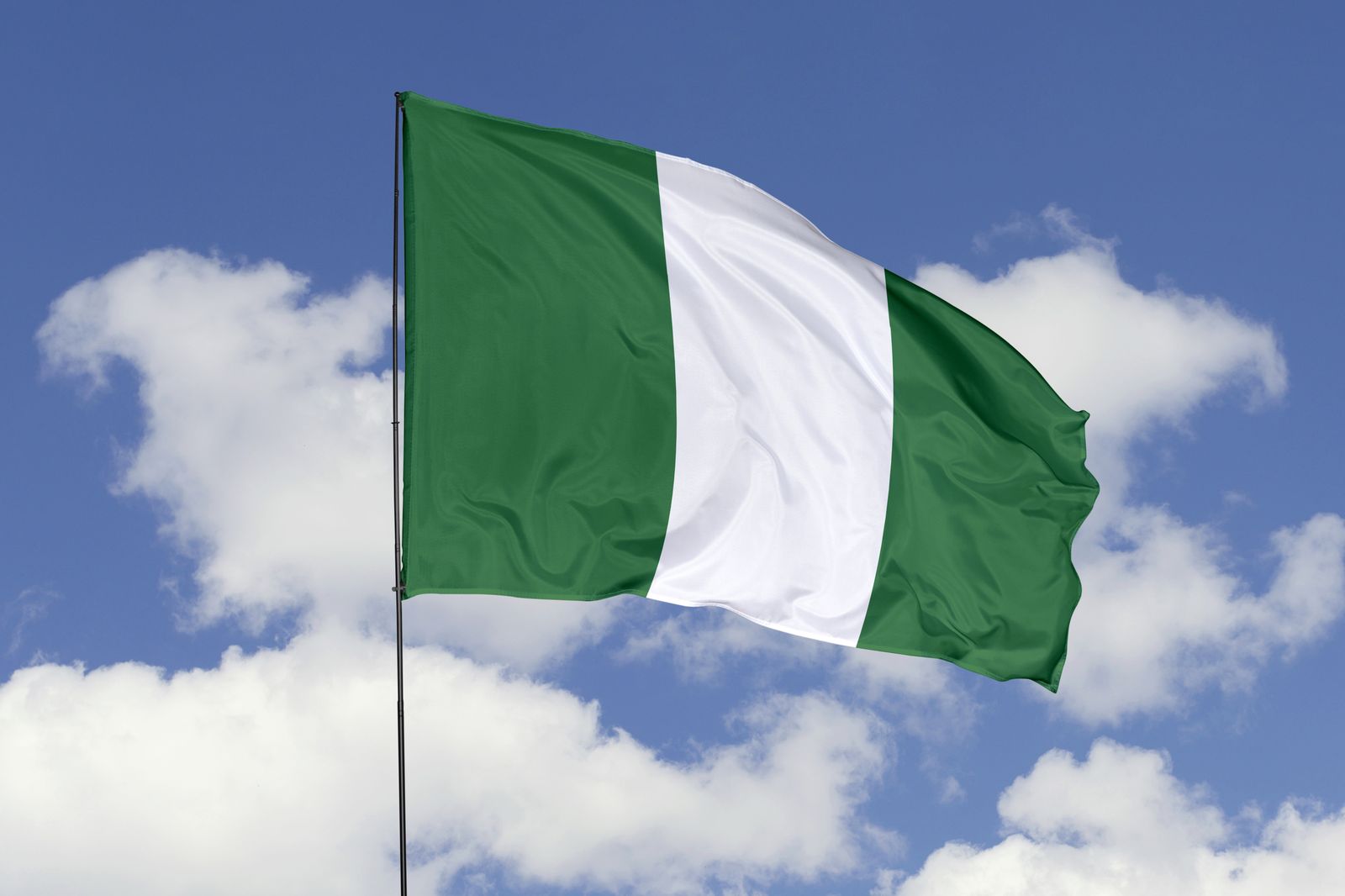
The Nigerian national anthem is "Nigeria, We Hail Thee". President Bola Tinubu signed the National Anthem Act into law on 29 May 2024, bringing back the anthem Nigeria first used at independence in 1960. From 1978 until 2024, the anthem was "Arise, O Compatriots", which most Nigerians born after the 1970s grew up singing.
This article explains the history, the meaning behind each anthem and the debate over the 2024 change. It does not reproduce the lyrics; you can find the official words on government and school resources.
Nigeria's anthems at a glance
| Anthem | Period | Words | Music |
|---|---|---|---|
| Nigeria, We Hail Thee | 1960 to 1978, and from May 2024 | Lillian Jean Williams | Frances Berda |
| Arise, O Compatriots | 1978 to May 2024 | Drawn from several Nigerian entries, including John A. Ilechukwu and others | Nigeria Police Band, led by Benedict E. Odiase |
"Nigeria, We Hail Thee" (1960)
The first anthem was chosen for independence on 1 October 1960. Its words were written by Lillian Jean Williams, a British woman living in Nigeria at the time, and the music was composed by Frances Berda. Its themes are national pride and unity across Nigeria's many ethnic groups and languages, with a prayer for peace and prosperity.
"Arise, O Compatriots" (1978)
In the 1970s, the military government of General Olusegun Obasanjo wanted an anthem written by Nigerians. A national competition was held, and the final words were combined from several entries. The music was arranged by the Nigeria Police Band under Benedict Odiase. Adopted in 1978, its themes are service to the nation, patriotism and honouring the sacrifices of Nigeria's past heroes.
The 2024 change
A bill restoring "Nigeria, We Hail Thee" was introduced on 23 May 2024 and passed by both chambers of the National Assembly within days. President Tinubu signed it on 29 May 2024, the anniversary of the return to civil rule. Arguments on each side included:
- For the change: supporters said the original anthem spoke more directly to unity across ethnic and religious lines, and reconnected Nigeria with its independence heritage.
- Against the change: critics said the words were written by a colonial-era expatriate, the bill moved through parliament very quickly, and economic hardship deserved more attention.
The national pledge ("I pledge to Nigeria my country...") was not changed and is still recited in schools and at official events.
When the anthem is sung
- At official state functions, Independence Day (1 October) and Democracy Day (12 June)
- At school assemblies and graduations
- Before Super Eagles and other national team matches
Learn more about Nigeria
Read our guides to the Nigerian flag and the history of Nigeria.