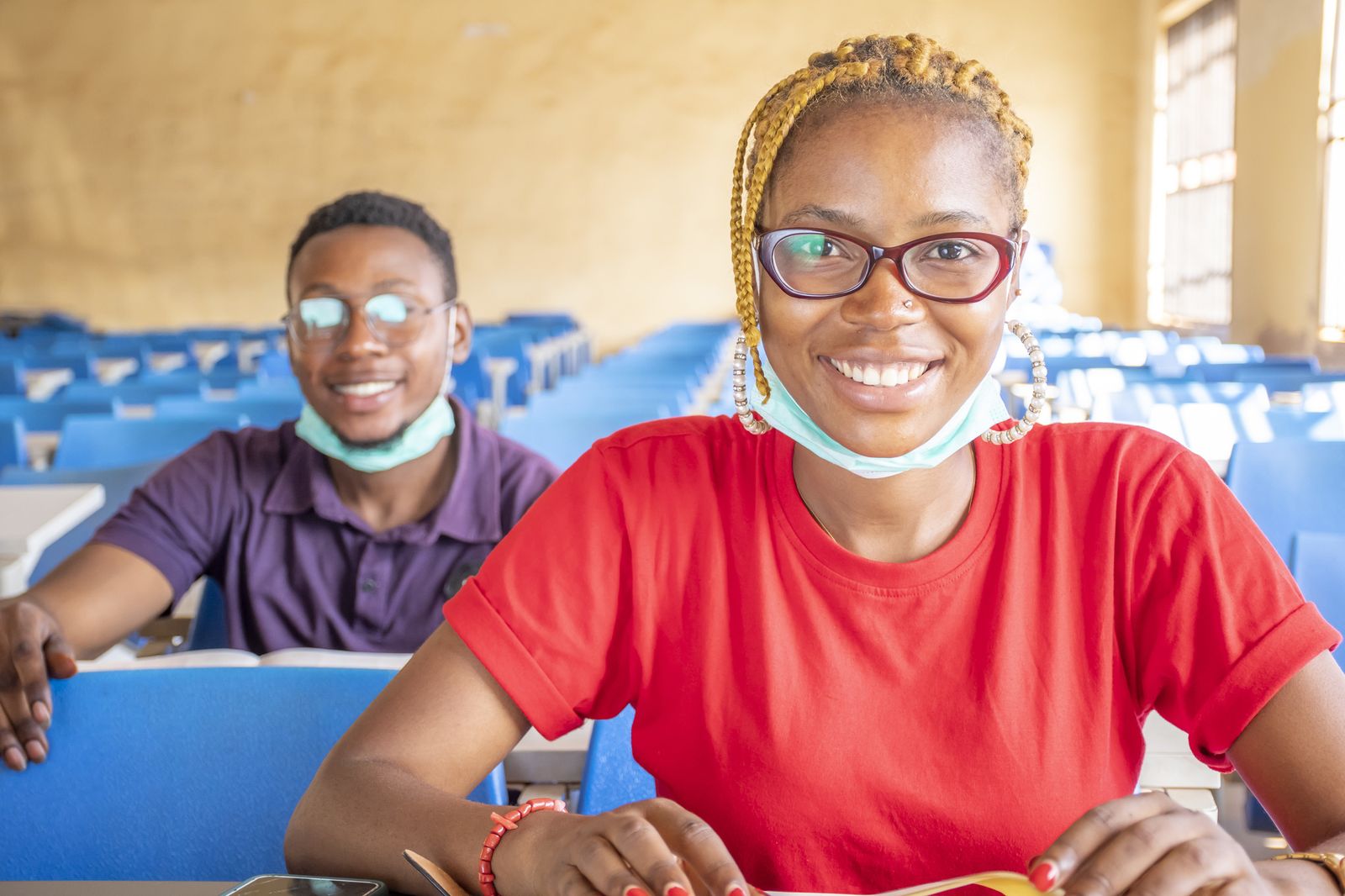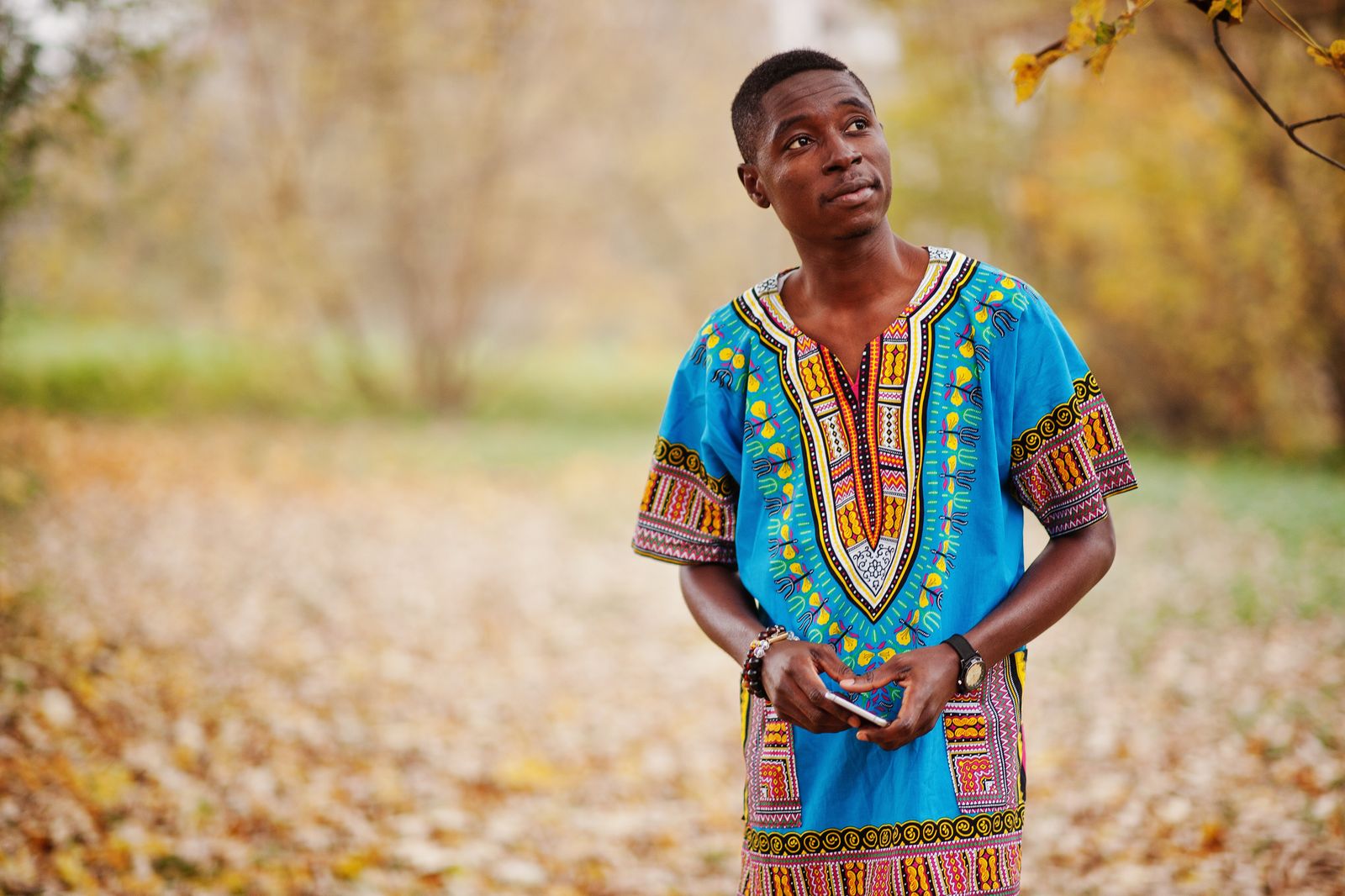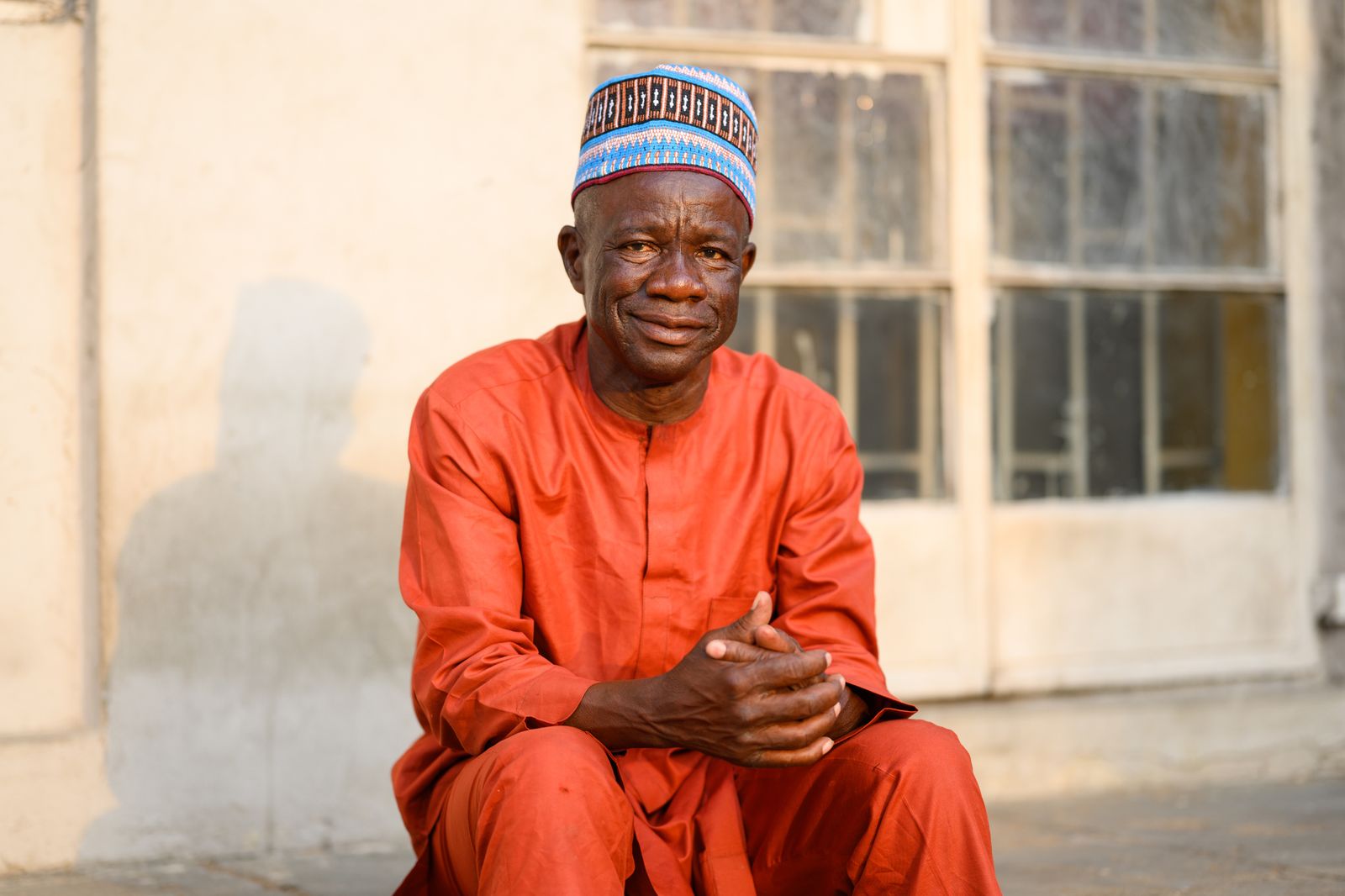
Nigeria has more than 250 ethnic groups and over 500 languages, making it one of the most culturally diverse countries on Earth. The three largest ethnic groups in Nigeria are the Hausa-Fulani in the North, the Yoruba in the South-West and the Igbo in the South-East. Dozens of other groups, from the Ijaw of the Niger Delta to the Kanuri of the North-East and the Tiv of the Middle Belt, number in the millions.
The three major ethnic groups
| Group | Main region | Language | Main states |
|---|---|---|---|
| Hausa-Fulani | North-West and North-East | Hausa, Fulfulde | Kano, Kaduna, Katsina, Sokoto, Jigawa, Zamfara, Kebbi, Bauchi |
| Yoruba | South-West | Yoruba | Lagos, Oyo, Ogun, Osun, Ondo, Ekiti, parts of Kwara and Kogi |
| Igbo | South-East | Igbo | Abia, Anambra, Ebonyi, Enugu, Imo, parts of Delta and Rivers |
Read more in our guides to the Igbo people and the Yoruba.
20 other ethnic groups you should know
- Ijaw (Izon): Niger Delta, especially Bayelsa, Rivers and Delta; one of the largest minority groups.
- Kanuri: Borno and Yobe, heirs of the old Kanem-Bornu empire.
- Ibibio: Akwa Ibom.
- Tiv: Benue, Nasarawa and Taraba; known for farming and the swange dance.
- Edo (Bini): Edo State, centred on the historic Benin Kingdom.
- Nupe: Niger, Kwara and Kogi.
- Urhobo: Delta State.
- Efik: Cross River, centred on Calabar.
- Itsekiri: Delta State, around Warri.
- Isoko: Delta State.
- Idoma: Benue State.
- Igala: Kogi State.
- Ebira: Kogi State.
- Gwari (Gbagyi): FCT, Niger and Kaduna; original inhabitants of much of Abuja.
- Jukun: Taraba and Benue.
- Berom: Plateau State, around Jos.
- Angas (Ngas): Plateau State.
- Annang: Akwa Ibom.
- Ogoni: Rivers State.
- Esan: Edo State.
Why there is no exact population breakdown
Nigeria's last national census was held in 2006 and did not publish figures by ethnicity, partly because ethnic and regional numbers are politically sensitive and affect the sharing of resources and seats. Estimates you see online come from surveys and older data, so treat precise percentages with caution.
Languages
English is the official language, used in government, schools and business. Hausa, Yoruba and Igbo are the most widely spoken Nigerian languages, and Nigerian Pidgin is a common link language, especially in cities and the south. Ethnologue lists more than 500 living languages in the country.
Diversity and national unity
Nigeria's diversity is visible in its food, music, dress and festivals, and in the constitutional principle of "federal character", which aims to spread appointments across states and groups. Debates over fairness between groups remain part of national politics. Nigeria's 36 states and six geopolitical zones also roughly reflect these regional identities.