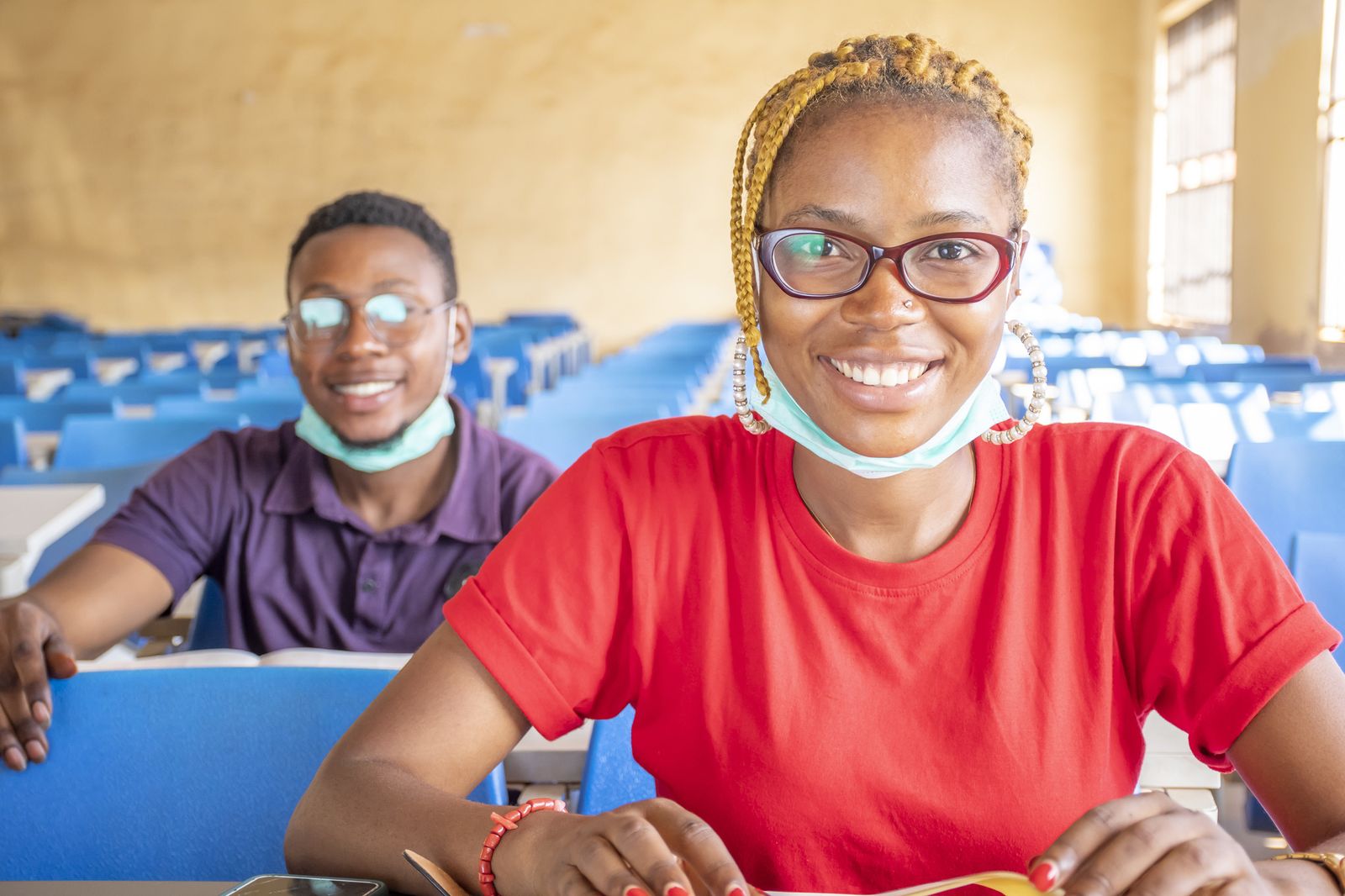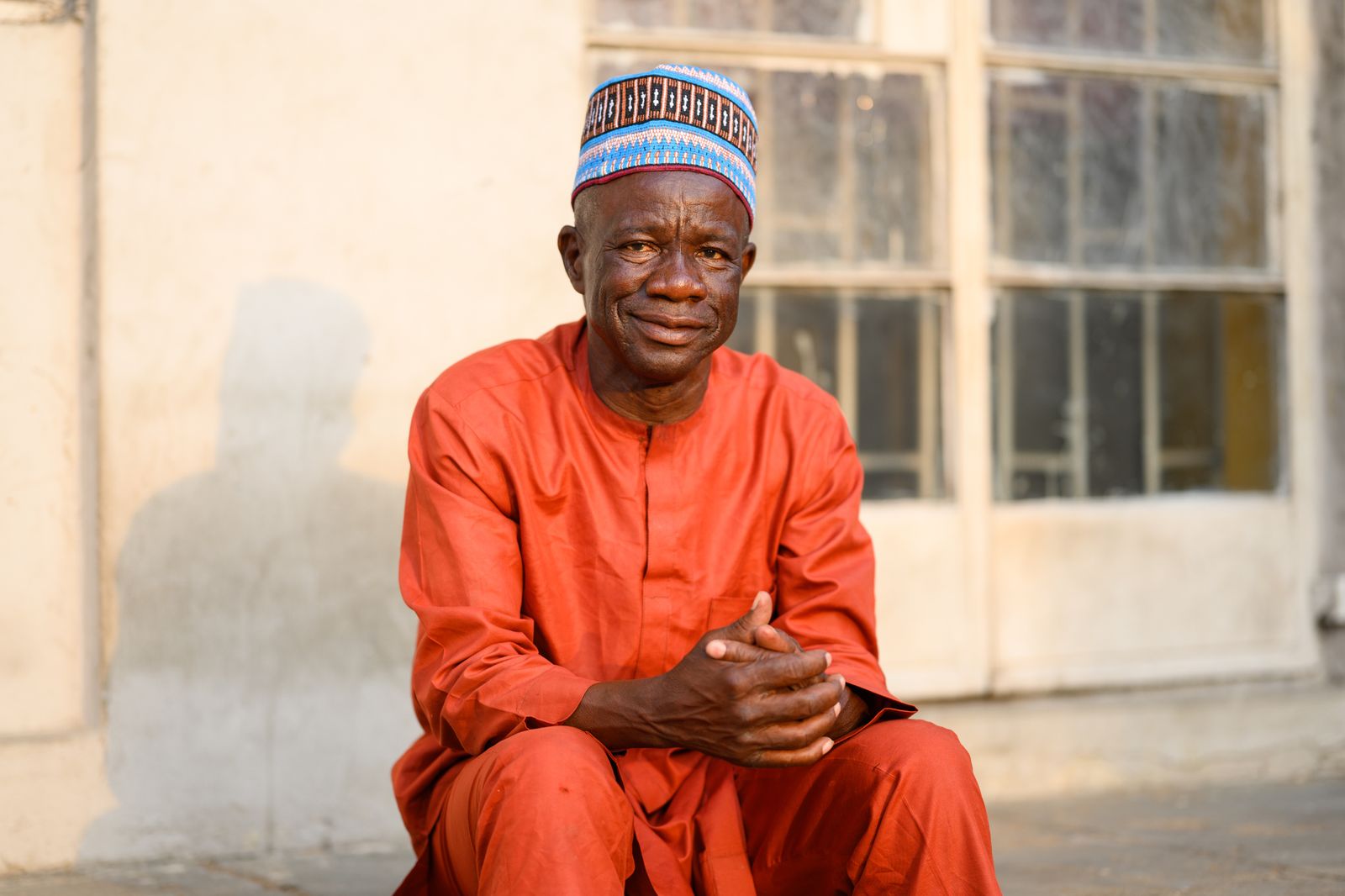
The Igbo people are one of Nigeria's three largest ethnic groups, alongside the Hausa-Fulani and the Yoruba. Their homeland is South-East Nigeria, covering Abia, Anambra, Ebonyi, Enugu and Imo states, with large Igbo populations in Delta and Rivers states too. Known worldwide for enterprise, education and a vibrant culture, Igbo people live and trade in every corner of Nigeria and across the diaspora.
Quick facts
| Item | Detail |
|---|---|
| Homeland | South-East Nigeria, plus parts of Delta and Rivers |
| Language | Igbo (Asụsụ Igbo), with many dialects |
| Traditional religion | Odinani (Chukwu, Ala and the ancestors) |
| Main religion today | Christianity |
| Famous festival | New Yam Festival (Iri Ji) |
| Business tradition | Igba Boi apprenticeship |
History in brief
Archaeological finds at Igbo-Ukwu in Anambra, dated to around the 9th and 10th centuries, include some of West Africa's finest early bronze works, showing a rich and connected society long before European contact. Igbo communities were traditionally governed by councils of elders, age grades and title societies rather than a single central king, which is why the saying Igbo enwe eze ("the Igbo have no king") is often quoted, although some towns had kings, such as the Obi of Onitsha and the Eze Nri.
The 20th century brought colonial rule, missionary education and rapid urban migration. The Nigerian Civil War (1967 to 1970), fought after the declaration of the Republic of Biafra, caused enormous loss of life and remains a defining memory for many Igbo families.
Language
Igbo is a tonal Niger-Congo language with many dialects. Writers such as Chinua Achebe, whose novel Things Fall Apart is set in an Igbo village, helped bring Igbo life to world literature. Today there are efforts to keep the language strong among young people at home and in the diaspora.
Culture and traditions
- New Yam Festival (Iri Ji): a thanksgiving for the yam harvest, usually between August and October.
- Kola nut (Oji): breaking kola is a central ritual of welcome and prayer.
- Masquerades (Mmanwu): masked performers appear at festivals and ceremonies.
- Traditional marriage (Igba Nkwu): the bride presents palm wine to the groom in front of guests; see our guide to the bride price and marriage list debate on the forum.
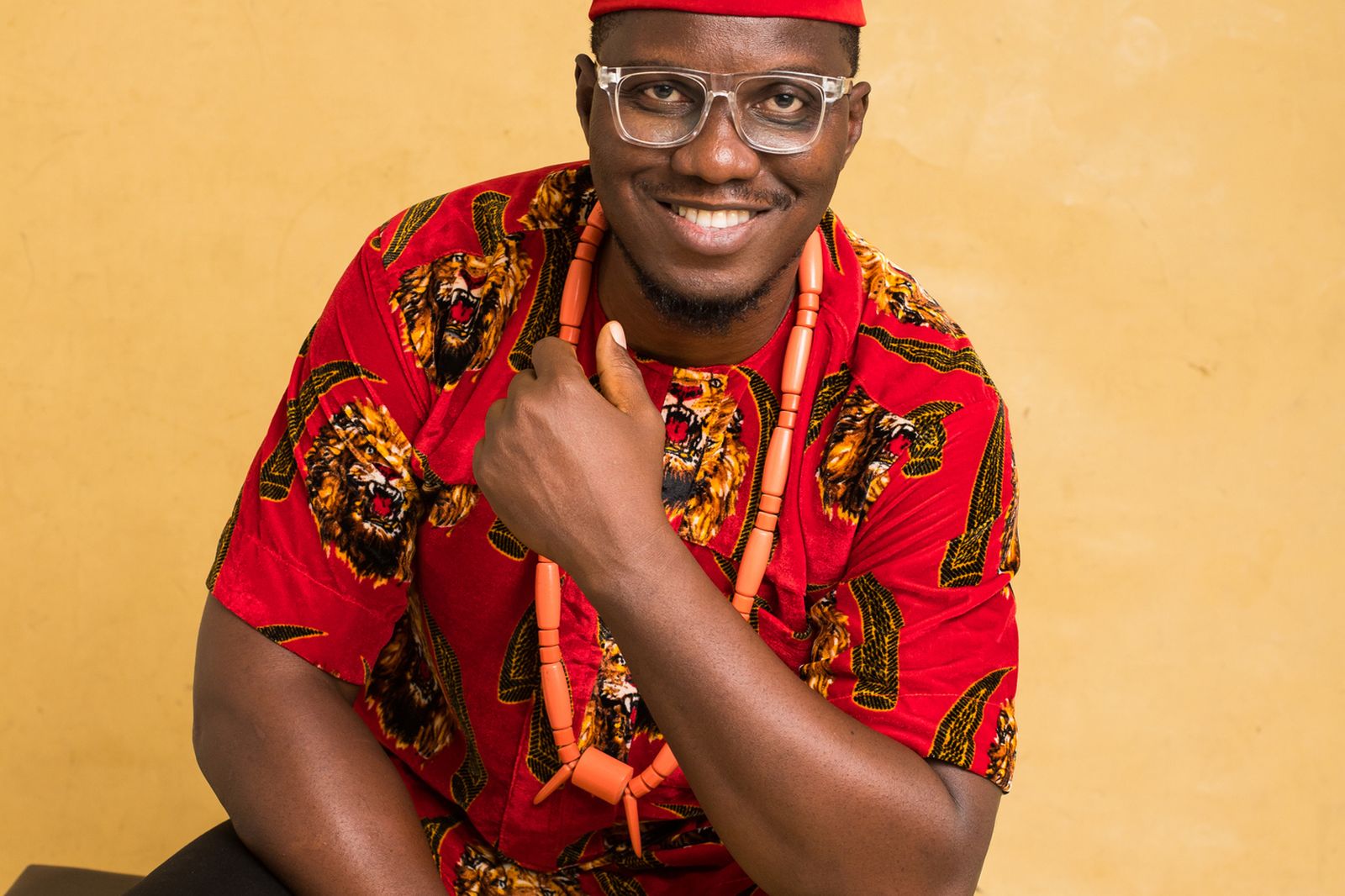
- Dress: the patterned isiagu top and red cap for men, and wrappers and head ties for women.
- Food: dishes such as ofe onugbu (bitterleaf soup), oha soup, abacha and nkwobi.
Enterprise and the apprenticeship system
The Igba Boi (also called Imu Ahia) apprenticeship system is a big reason Igbo traders dominate markets such as Onitsha Main Market, Alaba International and Ladipo in Lagos. A young apprentice lives and works with a master for several years, learning the trade, and is then "settled" with capital or stock to start their own business. Researchers and business writers have described it as one of the world's largest informal business incubators.
The Igbo diaspora
Igbo communities are found across Nigeria, West and Central Africa, the UK, the US, Canada, South Africa and China. Many diaspora Igbo return home for Christmas, weddings and festivals, and invest in property and businesses in the South-East. Connect with others planning a December trip on jump.africa/network.