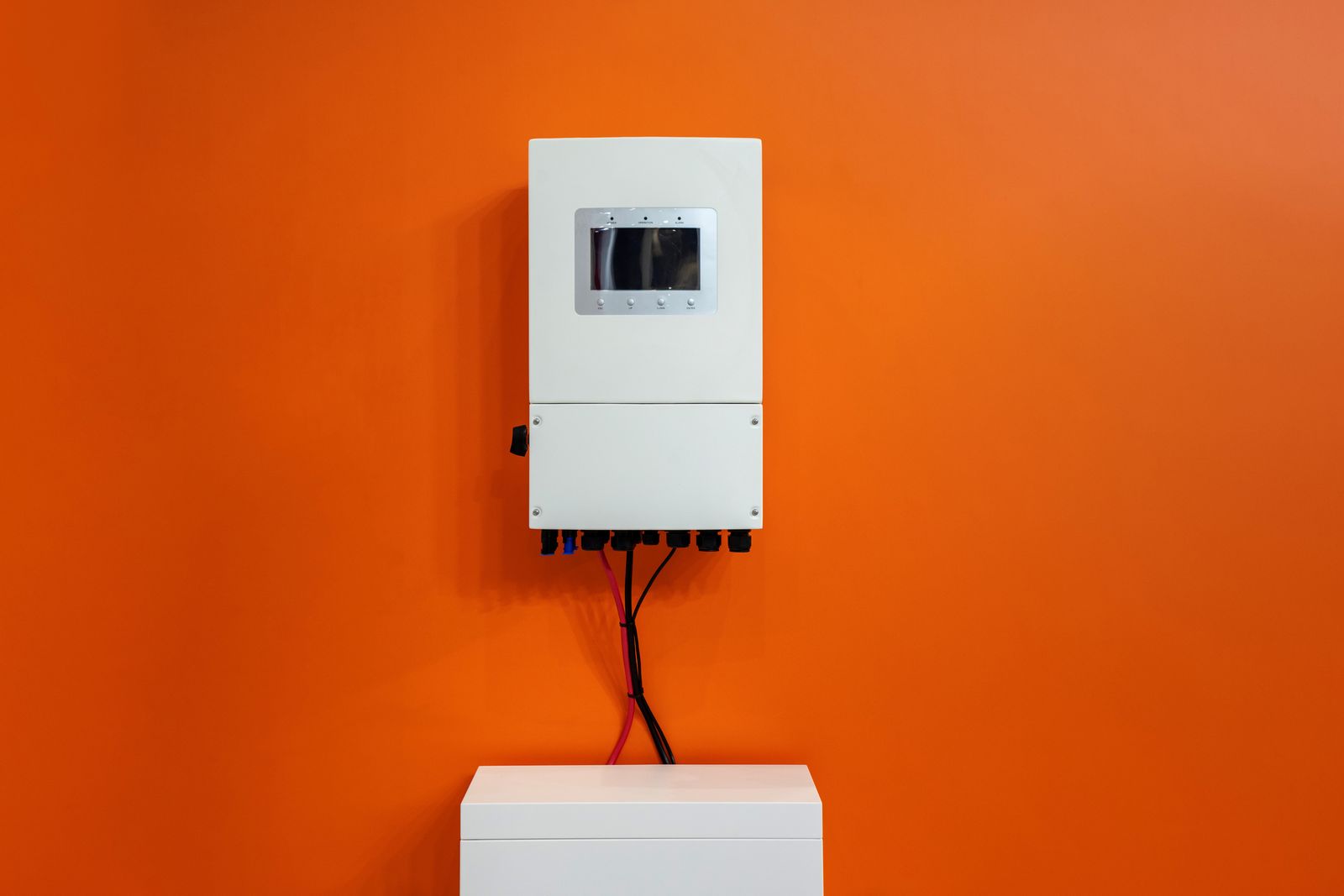
The inverter price in Nigeria in November 2026 ranges from about ₦150,000 for a small 1kVA unit to roughly ₦1 million for a 10kVA inverter, according to a market survey by SolarInverter.ng rechecked on 9 November 2026. The popular 5kVA size had a median listing of ₦520,000. These are inverter-only prices: batteries, solar panels and installation can multiply the total cost several times.
Inverter prices by kVA (November 2026)
The main column shows the middle half of online listings in SolarInverter.ng's survey. The second column shows Finelib's September 2026 reference ranges for comparison. Where the two differ, the gap mostly reflects brand mix and whether the unit is a hybrid with a built-in solar charge controller.
| Capacity | Typical price (SolarInverter.ng, Nov 2026) | Finelib range (Sept 2026) |
|---|---|---|
| 1kVA | ₦150,000 – ₦205,000 | – |
| 1.5kVA | ₦205,000 – ₦250,000 | ₦120,000 – ₦260,000 |
| 2kVA | ₦265,000 – ₦300,000 | – |
| 2.5kVA | ₦290,000 – ₦350,000 | – |
| 3.5kVA | ₦400,000 – ₦600,000 | ₦380,000 – ₦600,000 (hybrid) |
| 4.2kVA | ₦370,000 – ₦450,000 | – |
| 5kVA | ₦495,000 – ₦685,000 | ₦420,000 – ₦850,000 (hybrid) |
| 6kVA | ₦635,000 – ₦750,000 | – |
| 7.5kVA | ₦525,000 – ₦1,100,000 | – |
| 10kVA | ₦855,000 – ₦1,200,000 | ₦870,000 – ₦1,500,000 (hybrid) |
| 12kVA | ₦970,000 – ₦1,350,000 | – |
| 15kVA | ₦1,300,000 – ₦2,070,000 | – |
Odd-looking overlaps, such as some 4.2kVA units listing below 3.5kVA ones, reflect the brands and models on sale in each size rather than a rule that bigger is cheaper.
5kVA prices by brand
Brand makes a big difference at the same size. In SolarInverter.ng's comparison, a Felicity IVEM 5kVA listed at ₦550,000 to ₦650,000, Must PV1800 at ₦715,000 to ₦772,200, Luminous NXI at ₦700,000 to ₦800,000, Growatt SPF 5000ES at ₦800,000 to ₦900,000 and a Victron MultiPlus-II 48/5000 at about ₦1,320,000.
Lithium vs tubular batteries
The battery bank is usually the most expensive part of a backup system, and chemistry is the biggest single price driver, according to PVPro's September 2026 Lagos price guide.
| Battery | Price range (Sept 2026) |
|---|---|
| 12V 200Ah tubular (lead-acid) | ₦145,000 – ₦210,000 |
| 12V 220Ah tubular | ₦277,000 – ₦295,000 |
| 12V 200Ah gel | ₦170,000 – ₦260,000 |
| 12V 200Ah lithium (LiFePO4, about 2.4kWh) | ₦315,000 – ₦470,000 |
| 5kWh 48V lithium (LiFePO4) | ₦995,000 – ₦2,150,000 |
| 15kWh 48V lithium | ₦2,300,000 – ₦3,100,000 (January 2026 figure) |
Battery prices from Finelib and PVPro. Tubular batteries cost less upfront but need water top-ups and give fewer charge cycles. Lithium costs roughly twice as much per unit at the 200Ah size, but allows deeper discharge, needs no maintenance and, Finelib notes, often works out cheaper over its life when it is cycled daily on solar. Remember that a 24V inverter needs two 12V batteries and a 48V inverter needs four, so the battery bill scales with system voltage.
What drives inverter prices in Nigeria
- The exchange rate. Almost all solar and inverter equipment is imported, so prices move with the naira-to-dollar rate. PVPro notes that import duty and currency pressure pushed panel prices up between early 2025 and mid-2026. Check today's rate on Jump.AFRICA Rates.
- Hybrid vs standard. A hybrid inverter with a built-in MPPT solar charge controller cost about ₦145,000 to ₦185,000 more than a non-hybrid of the same brand and size in one example from SolarInverter.ng's survey.
- Real output. kVA is apparent power; kW is what your appliances actually draw. Compare rated kW on the datasheet, not only the kVA label.
- Battery voltage and solar input. 48V units with higher PV input and more trackers cost more but handle bigger loads and more panels.
- Brand, warranty and features. Pure sine wave output, Wi-Fi monitoring, parallel capability and local warranty support all add to the price.
Full system costs
For a complete hybrid setup with lithium batteries and panels, PVPro cites an Eneronix 2026 breakdown of about ₦2.3 million to ₦3.4 million for a 3kVA system, ₦3.6 million to ₦5.7 million for 5kVA and ₦7.9 million to ₦12.3 million for 10kVA. Panel pricing is covered in our guide to solar panel prices in Nigeria in 2026.
How to buy an inverter wisely
- List the appliances you want to run and add up their wattage, allowing extra for starting loads such as fridges and pumps.
- Choose an inverter whose rated kW, not just kVA, comfortably exceeds that load.
- Decide on battery chemistry and voltage at the same time, since the inverter and battery bank must match.
- Get at least two written quotes that separate inverter, batteries, panels, cabling, protection and labour.
- Confirm the warranty is honoured locally and ask for the installer's after-sales contact before paying.