Iron ore is the rock from which iron is extracted, and almost all of it is used to make steel. In mid-November 2026, benchmark iron ore with 62% iron content delivered to China traded near $90.58 a tonne (17 November), close to its lowest level in about four years, as Chinese steel demand weakened and new supply came on stream. Nigeria has large iron ore deposits, especially in Kogi State, but still imports most of its steel.
What is iron ore?
Iron ore is rock containing iron minerals, mainly haematite (Fe₂O₃) and magnetite (Fe₃O₄). Ore is graded by iron content: "62% Fe" fines are the main traded benchmark, while higher-grade ore such as Brazil's Carajás (about 65% Fe) sells at a premium. The biggest producers are Australia and Brazil, and China is by far the biggest buyer.
Iron ore price in 2026
| Grade / market | Price | Date |
|---|---|---|
| 62% Fe fines, CFR China (futures) | About $90.58/t | 17 Nov 2026 |
| Carajás (Brazil), China port | About $111.12/t | 12 Nov 2026 |
Analysts linked the slide to weaker Chinese steel output and imports, centralised price talks by China's state buyer, and rising output from Guinea's huge Simandou mine. Prices are quoted in US dollars per dry tonne and move daily.
What is iron ore used for?
- Steel: about 98% of iron ore becomes pig iron and then steel for buildings, bridges, cars, ships, pipes and machines.
- Cast iron products.
- Pigments and cement: small amounts are used as colourants and in cement making.
How iron ore becomes steel
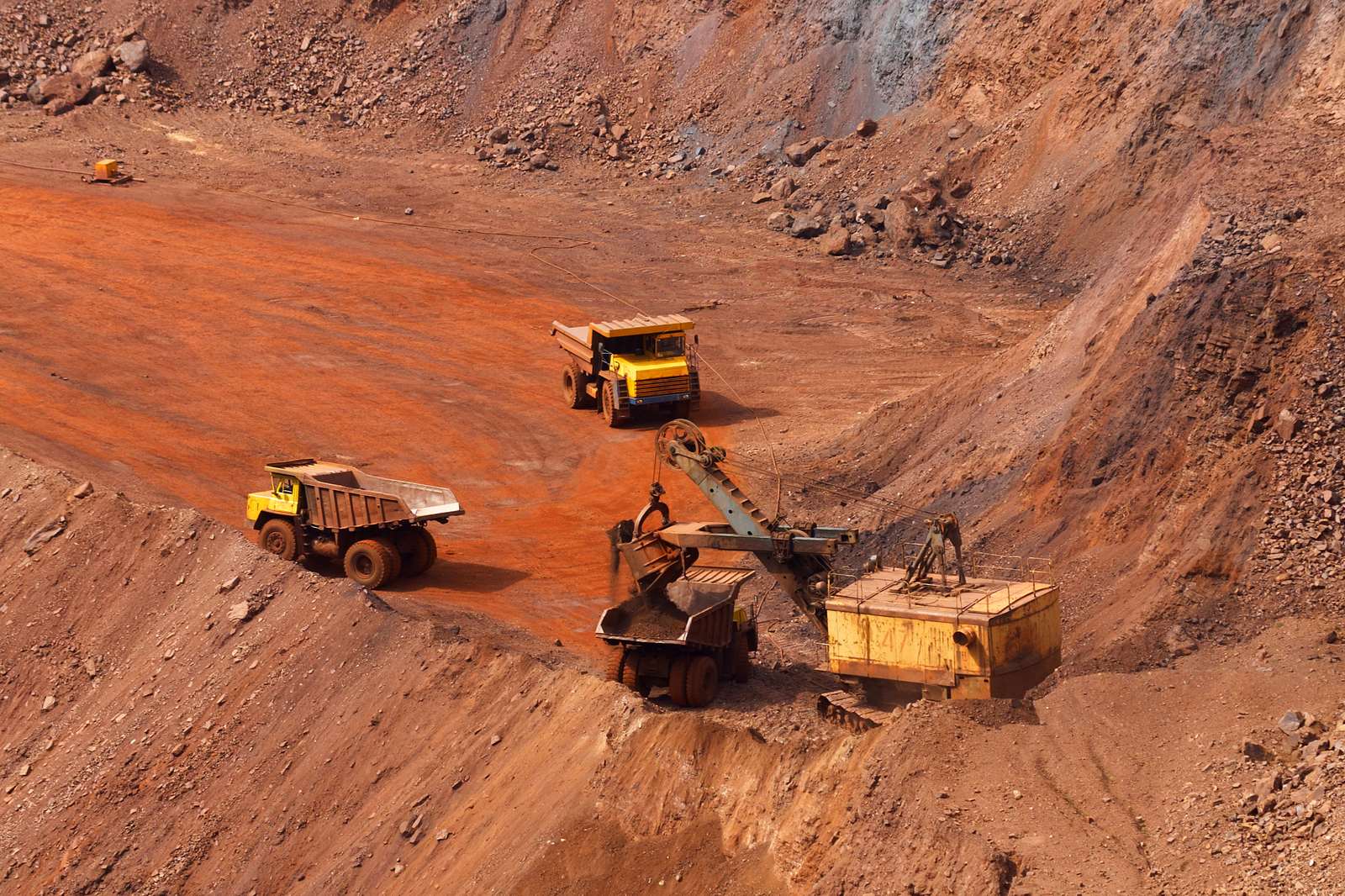
- Ore is mined, crushed and often upgraded into concentrate or pellets.
- In a blast furnace, ore is heated with coke and limestone to make molten pig iron.
- Pig iron is refined into steel in a basic oxygen furnace. Some mills instead use direct reduced iron and electric arc furnaces.
Iron ore in Nigeria
Nigeria has billions of tonnes of iron ore. Key deposits include Itakpe, Agbaja and Ajabanoko in Kogi State, with others in Enugu, Niger, Zamfara, Kaduna, Kwara and Nasarawa. The National Iron Ore Mining Company at Itakpe was built to supply the Ajaokuta Steel Company, which was started in 1979 but has never fully operated. Successive governments have promised to revive it. As a result, Nigeria spends heavily on imported steel products, and smaller private mills rely largely on scrap.
Investing in iron ore
Nigerian investors usually get exposure through foreign-listed miners such as Rio Tinto, BHP, Vale or Fortescue, or via commodity funds. Prices are volatile and tied closely to China. Follow commodity and market news on jump.africa/news.