
Jump.AFRICA Economy Industries Energy and power in Africa
Energy and power in Africa
Oil and gas, electricity generation, grids, solar and off-grid power.
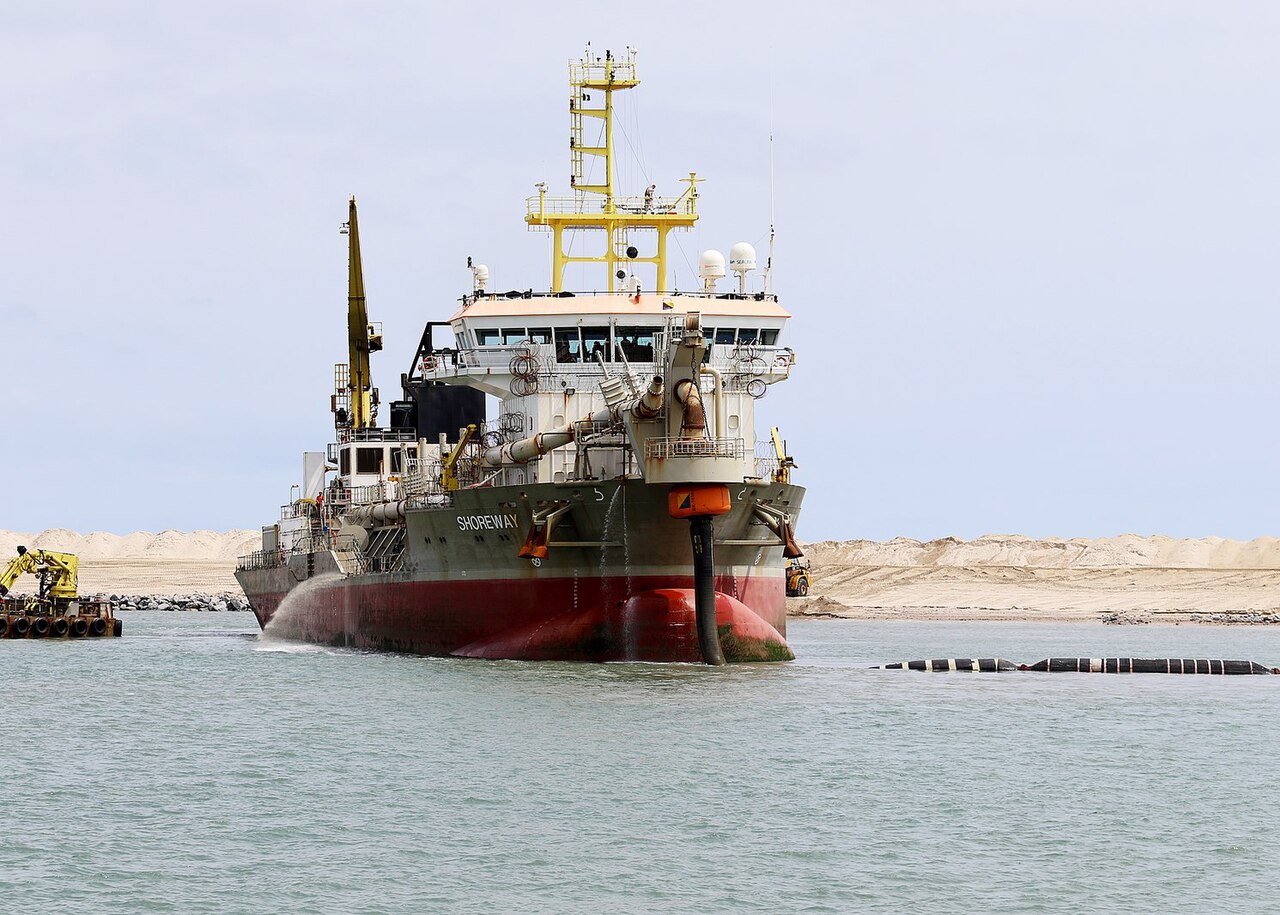
Africa is both a major oil and gas producer and home to most of the people in the world without electricity. Closing that gap, mostly with solar, mini-grids and stronger grids, is one of the largest investment needs on the continent.
| # | Country | People without electricity (estimate) | Access to electricity, % of people | Fuels, % of goods exports |
|---|---|---|---|---|
| 1 | Nigeria | 89.1m 2024 | 62.5% 2024 | 85.9% 2025 |
| 2 | DR Congo | 87.4m 2024 | 22.5% 2024 | 1.8% 2024 |
| 3 | Ethiopia | 58.8m 2024 | 56.6% 2024 | 0.0% 2023 |
| 4 | Tanzania | 33.6m 2024 | 52.4% 2024 | 1.3% 2025 |
| 5 | Uganda | 23.0m 2024 | 55.3% 2024 | 2.3% 2024 |
| 6 | Mozambique | 22.5m 2024 | 36.9% 2024 | 54.2% 2025 |
| 7 | Niger | 22.0m 2024 | 21.3% 2024 | 88.0% 2024 |
| 8 | Madagascar | 18.8m 2024 | 42.5% 2024 | 2.6% 2024 |
| 9 | Malawi | 18.8m 2024 | 15.6% 2024 | 0.0% 2025 |
| 10 | Chad | 18.2m 2024 | 13.4% 2024 | 7.9% 1975 |
| 11 | Sudan | 17.6m 2024 | 66.0% 2024 | 14.3% 2018 |
| 12 | Angola | 17.4m 2024 | 55.5% 2024 | 91.5% 2025 |
| 13 | Burkina Faso | 15.9m 2024 | 34.0% 2024 | 0.0% 2024 |
| 14 | Kenya | 13.2m 2024 | 77.0% 2024 | 1.8% 2025 |
| 15 | Mali | 12.7m 2024 | 49.5% 2024 | 1.6% 2023 |
Latest year available for each country (shown beside each figure). Estimated as the share of people without electricity × population, both from the World Bank. Source: World Bank World Development Indicators (CC BY 4.0), refreshed weekly.
Algeria 100.0% · Egypt 100.0% · Morocco 100.0% · Mauritius 100.0% · Seychelles 100.0%
- Sub-Saharan Africa had 563 million people without electricity in 2024, 86% of the global total. (AllAfrica, citing Tracking SDG7 2026)
- The World Bank and AfDB's Mission 300 had connected more than 50 million people across 40 countries by June 2026, towards a goal of 300 million by 2030. (World Bank)
- The number of people in sub-Saharan Africa without electricity fell by a record 8 million in 2025. (IEA)
- The IEA estimates about $150bn of investment, roughly $15bn a year, is needed to bring electricity to everyone within a decade. (IEA)
- Solar home systems and mini-grids for people far from the grid.
- Power for factories and mines, which often run on diesel.
- Gas processing and refining for local fuel supply.
- Grid upgrades and cross-border power trading.
Our summary of the reports and data above, not investment advice.
Which African country has the biggest energy and power sector?
Nigeria, followed by DR Congo and Ethiopia, measured by people without electricity (estimate) (World Bank data, latest year available).
How big is energy and power in Africa?
Across the 54 African countries with data, people without electricity (estimate) adds up to about 596.4m, mostly 2024 figures from the World Bank.
Where are the opportunities in African energy and power?
Solar home systems and mini-grids for people far from the grid. Power for factories and mines, which often run on diesel. Gas processing and refining for local fuel supply. Grid upgrades and cross-border power trading.
Updated 21 Nov 2026 21:00 UTC · © Jump.AFRICA · Figures are from the sources named and are not financial advice.