
Jump.AFRICA Economy Industries Construction and infrastructure in Africa
Construction and infrastructure in Africa
Roads, railways, ports, power plants, housing and the engineering firms that build them.
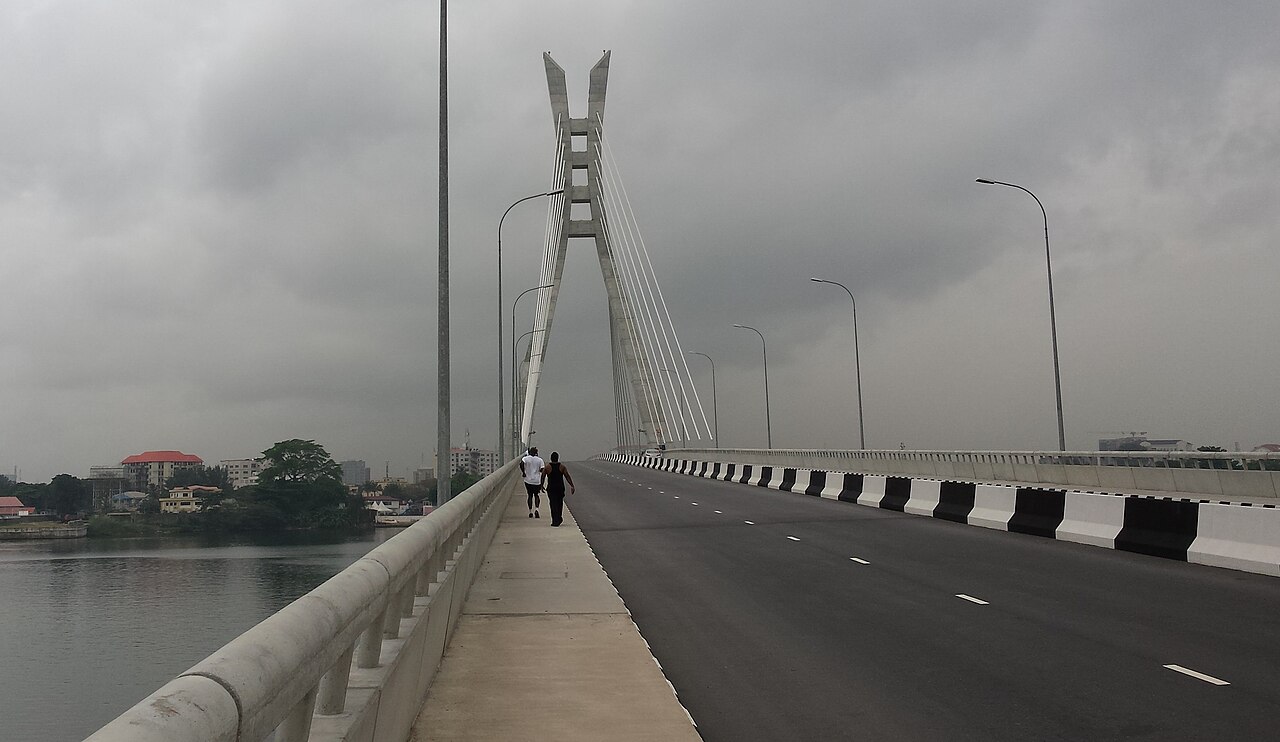
Africa's cities are growing faster than anywhere else and most of the roads, grids and homes they will need are not built yet. The money exists, according to recent reports; getting projects prepared and financed is the bottleneck.
| # | Country | Investment in fixed assets (gross fixed capital formation) | Share of GDP | Urban population growth |
|---|---|---|---|---|
| 1 | Algeria | $113.1bn 2025 | 39.4% 2025 | 2.0% 2025 |
| 2 | South Africa | $59.3bn 2025 | 13.9% 2025 | 1.3% 2025 |
| 3 | Morocco | $48.9bn 2025 | 26.8% 2025 | 1.4% 2025 |
| 4 | Egypt | $42.8bn 2025 | 11.7% 2025 | 1.8% 2025 |
| 5 | Tanzania | $38.1bn 2025 | 42.2% 2025 | 4.8% 2025 |
| 6 | DR Congo | $26.2bn 2025 | 28.8% 2025 | 4.0% 2025 |
| 7 | Ethiopia | $25.4bn 2025 | 20.1% 2025 | 4.6% 2025 |
| 8 | Kenya | $24.4bn 2025 | 17.9% 2025 | 2.9% 2025 |
| 9 | Côte d'Ivoire | $20.0bn 2025 | 20.0% 2025 | 3.5% 2025 |
| 10 | Uganda | $13.5bn 2025 | 21.9% 2025 | 4.8% 2025 |
| 11 | Cameroon | $11.4bn 2025 | 19.3% 2025 | 3.0% 2025 |
| 12 | Angola | $10.9bn 2024 | 10.6% 2024 | 4.1% 2025 |
| 13 | Guinea | $10.8bn 2025 | 38.1% 2025 | 3.5% 2025 |
| 14 | Senegal | $10.6bn 2025 | 28.7% 2025 | 3.3% 2025 |
| 15 | Benin | $8.7bn 2025 | 35.4% 2025 | 3.9% 2025 |
Latest year available for each country (shown beside each figure). World Bank indicator NE.GDI.FTOT.CD. Source: World Bank World Development Indicators (CC BY 4.0), refreshed weekly.
- Africa invested about $83bn a year in infrastructure between 2016 and 2020, around 3% of GDP. The OECD and African Union say raising that to $155bn a year could double the continent's GDP by 2040. (OECD)
- Capital for infrastructure costs about 13% a year in Africa, against 10% in developing Asia and 8% in OECD countries. (OECD)
- African domestic capital, including pension and insurance funds, has reached $4.4 trillion, according to the Africa Finance Corporation. (Radio Algérie, citing AFC)
- Only about 6% of roughly 130 African Union-backed cross-border projects are under construction. (BCG)
- Project preparation: turning plans into bankable projects is the main gap.
- Building materials: cement, steel, glass and prefabricated housing.
- Transport corridors such as Abidjan–Lagos, due to start construction.
- Housing for fast-growing cities.
Our summary of the reports and data above, not investment advice.
Which African country has the biggest construction and infrastructure sector?
Algeria, followed by South Africa and Morocco, measured by investment in fixed assets (gross fixed capital formation) (World Bank data, latest year available).
How big is construction and infrastructure in Africa?
Across the 48 African countries with data, investment in fixed assets (gross fixed capital formation) adds up to about $564.7bn, mostly 2025 figures from the World Bank.
Where are the opportunities in African construction and infrastructure?
Project preparation: turning plans into bankable projects is the main gap. Building materials: cement, steel, glass and prefabricated housing. Transport corridors such as Abidjan–Lagos, due to start construction. Housing for fast-growing cities.
Updated 21 Nov 2026 21:00 UTC · © Jump.AFRICA · Figures are from the sources named and are not financial advice.