
Jump.AFRICA Explore Africa Mauritania
Mauritania
Economy, money, trade and opportunities, from World Bank, UN and central bank data.
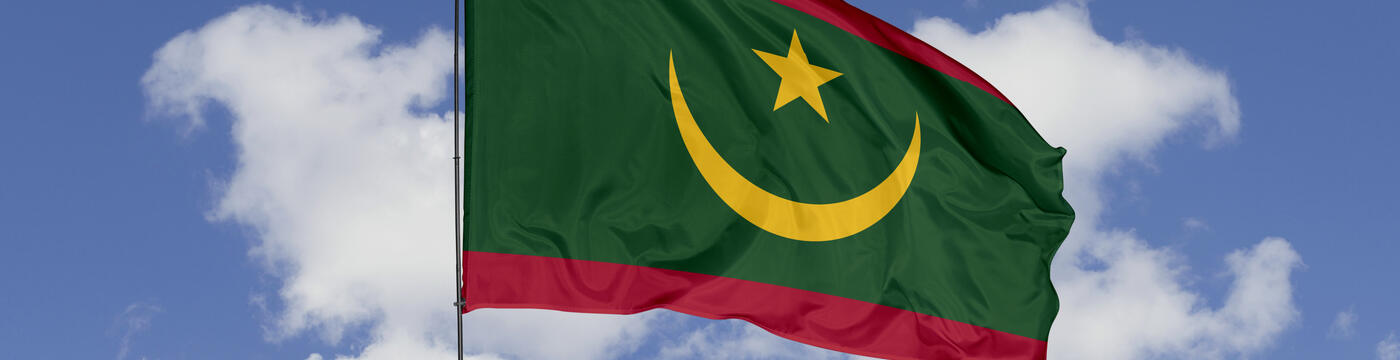
Mauritania is growing at 4.0% a year. Our screens flag 6 areas worth a closer look: electricity for homes and businesses, payments and digital finance, homes and building materials for growing cities, mining services and processing, getting more people online, adding value to farm produce.
Only 52.2% of people have electricity.
92.1 mobile subscriptions per 100 people, but bank credit is only 22.7% of GDP.
City populations are growing 4.2% a year.
Ores and metals are 33.7% of goods exports.
Only 45.8% of people use the internet.
Farming is 20.0% of the economy.
| Up to $100,000 | Selling and installing solar home systems and inverters (electricity for homes and businesses) Agent banking and mobile-money kiosks (payments and digital finance) Building-materials trading; short-let or student rooms (homes and building materials for growing cities) Supplies, catering, transport and security for mine sites (mining services and processing) Phone and data resale, repairs and digital-skills training (getting more people online) Aggregation, drying and storage for smallholders (adding value to farm produce) |
| $100,000–$500,000 | Solar for shops, clinics, schools and small factories (electricity for homes and businesses) Payments and invoicing tools for small businesses (payments and digital finance) A small block of rental flats; blocks, tiles or roofing production (homes and building materials for growing cities) Equipment hire and maintenance; laboratory services (mining services and processing) Wi-Fi zones, ISPs for estates and campuses (getting more people online) Processing for export: cashew, cocoa, shea, coffee, fruit (adding value to farm produce) |
| $500,000–$1 million | Mini-grids serving whole towns or markets (electricity for homes and businesses) Lending to small firms through a licensed partner (payments and digital finance) Mid-size residential developments for the middle class (homes and building materials for growing cities) Processing, refining or recycling plants (mining services and processing) Fibre links and towers in under-served towns (getting more people online) Export-grade processing and certification (adding value to farm produce) |
| Over $1 million | Utility-scale solar, gas-to-power or grid projects (electricity for homes and businesses) A licensed microfinance bank or fintech platform (payments and digital finance) Estates, malls, warehousing or a building-materials plant (homes and building materials for growing cities) Mine development, smelting or rail and port logistics (mining services and processing) Data centres and backbone networks (getting more people online) Agro-industrial parks and export logistics (adding value to farm produce) |
Ideas to research, generated from the data on this page. They are not advice: check licences, costs and local partners before investing.
| Currency | MRU | |
| Central bank | Banque Centrale de Mauritanie | |
| Policy interest rate | Not yet in our records — see the central bank's website. | |
| Bank lending rate | 17.0% | 2017 |
| Bank deposit rate | 5.7% | 2017 |
| Real interest rate | 15.2% | 2017 |
| Bank credit to private sector, % of GDP | 22.7% | 2019 |
| Adults with an account | 27.3% | 2024 |
Governments sell bills and bonds through regular auctions run by the central bank or finance ministry; check the Banque Centrale de Mauritanie for auction calendars and who can buy. Rules for non-residents vary.
| GDP | $11.7bn | 2025 |
| Growth (real GDP) | 4.0% | 2025 |
| GDP per person | $2,198 | 2025 |
| Population | 5.3m | 2025 |
| Inflation | 1.5% | 2025 |
| Unemployment | 10.3% | 2025 |
| Exports of goods and services | $4.7bn | 2025 |
| Imports of goods and services | $6.3bn | 2025 |
| Foreign direct investment (net inflows) | $634m | 2025 |
| FDI, % of GDP | 5.4% | 2025 |
| Remittances received | $95m | 2024 |
| Tourism receipts | $6m | 2020 |
| Trade balance | $-1.7bn | 2025 |
See every product and trading partner on OEC World.
| Urban population | 61.5% | 2025 |
| Urban population growth | 4.2% | 2025 |
| Internet users | 45.8% | 2024 |
| Mobile subscriptions per 100 people | 92.1 | 2024 |
| Access to electricity | 52.2% | 2024 |
| Arable land | 0.4% | 2024 |
City populations are growing 4.2% a year, which drives demand for homes, shops and offices. We have not yet found a reliable national house-price or rent index for Mauritania that we can show here. If you know one, tell us on the forum.
No one from Mauritania is on Forbes' 2026 list of Africa's 23 billionaires (Billionaires.Africa, Forbes' 2026 Africa list). See Africa's richest people.
Thinking of moving back, investing at home or building a second base? Start with people who have done it.
Sources: World Bank World Development Indicators (CC BY 4.0; latest year shown per figure, refreshed weekly); UN Comtrade (goods trade); central bank and press sources linked above. Opportunity screens are our own analysis of these figures.
What is the interest rate in Mauritania?
Banks' average lending rate was 17.0% in 2017 (World Bank). For the current policy rate, see Banque Centrale de Mauritanie.
Who is the central bank of Mauritania?
Banque Centrale de Mauritanie (https://www.bcm.mr).
What are the investment opportunities in Mauritania?
Electricity for homes and businesses: Only 52.2% of people have electricity. Payments and digital finance: 92.1 mobile subscriptions per 100 people, but bank credit is only 22.7% of GDP. Homes and building materials for growing cities: City populations are growing 4.2% a year. Mining services and processing: Ores and metals are 33.7% of goods exports. Getting more people online: Only 45.8% of people use the internet. Adding value to farm produce: Farming is 20.0% of the economy.
Updated 21 Nov 2026 21:01 UTC · © Jump.AFRICA · Figures are from the sources named and are not financial advice.