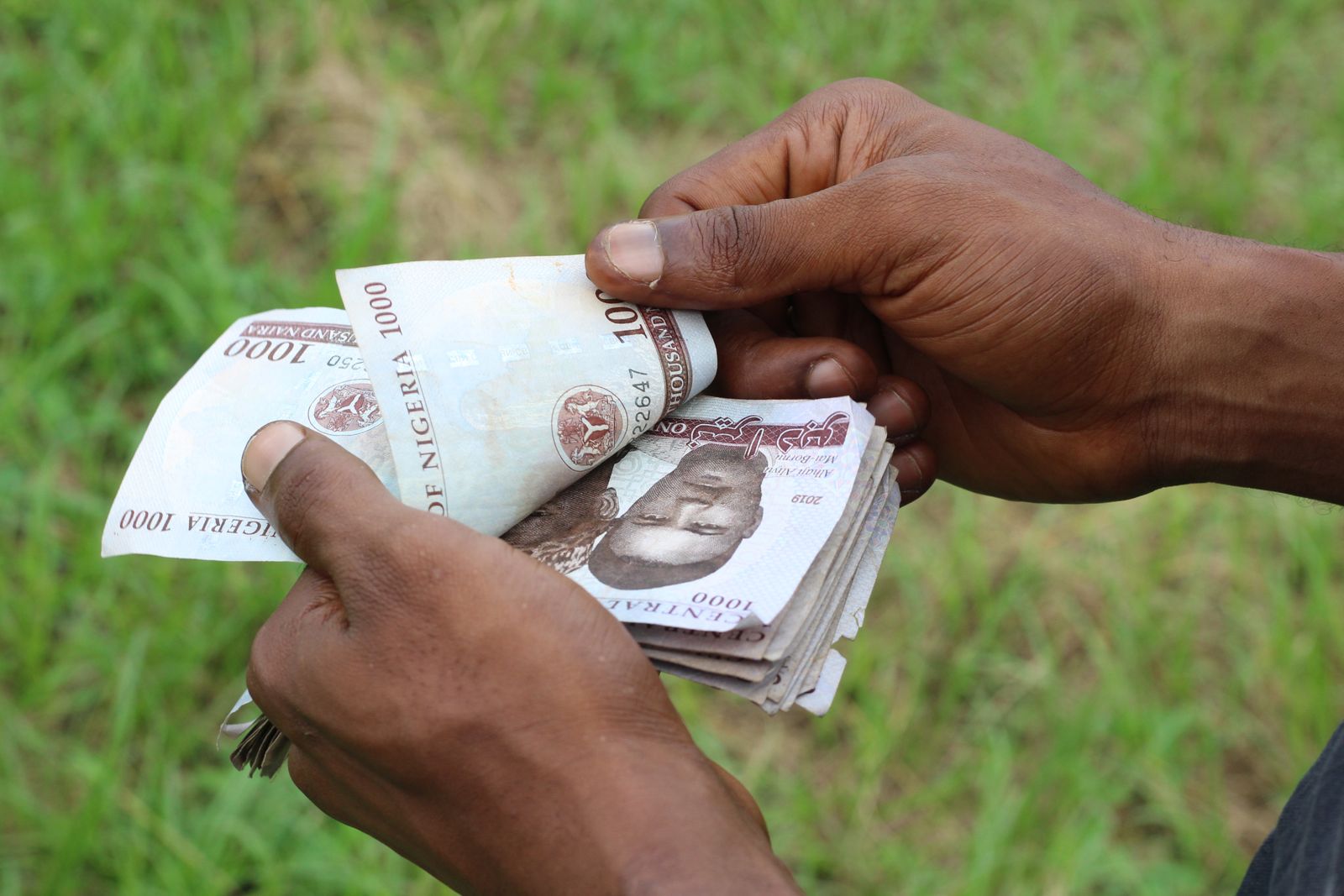
The Central Bank of Nigeria's benchmark interest rate, the Monetary Policy Rate (MPR), is 23%. The Monetary Policy Committee (MPC) reset it at its 307th meeting on 21–22 September 2026, the biggest move in a gradual easing cycle that began in 2025.
How the rate has moved
| MPC meeting | Decision | MPR |
|---|---|---|
| Before September 2025 | Peak of the tightening cycle | 27.5% |
| September 2025 | First cut in about five years | 27% |
| November 2025 (303rd) | Hold; corridor changed to +50/−450 bps | 27% |
| February 2026 | Cut by 50 bps | 26.5% |
| May 2026 (305th) | Hold | 26.5% |
| September 2026 (307th) | Reset and corridor recalibrated | 23% |
What the MPR is
The MPR is the anchor for short-term interest rates. Around it sits a corridor: banks can deposit spare cash with the CBN at a rate below the MPR, and borrow overnight at a rate above it. Changing the MPR and the corridor shifts what it costs banks to get money, which flows through to the rates you see.
What a lower rate means for you
- Loans: over time, cheaper credit for businesses and consumers. Banks usually reprice slowly, so don't expect your loan rate to fall overnight.
- Savings and fixed deposits: rates tend to drift down. Lock in longer terms if you like today's yields.
- Treasury bills and money market funds: yields generally follow the MPR down.
- The naira: lower rates can make naira assets less attractive to foreign investors, which matters for the exchange rate. The CBN weighs this against growth.
Who decides
The MPC is chaired by the CBN Governor, Olayemi Cardoso, and includes the four deputy governors, two CBN board members, and external experts. It meets roughly every two months and publishes a communiqué after each meeting, followed weeks later by members' personal statements.
Learn more about what the CBN does and who runs it.